
Take a number of shots using lines to flatten the pictorial space. To avoid the effects of perspective, the sensor/film plane should be parallel to the subject and you may like to try a high viewpoint (i.e. looking down). Modern architecture offers strong lines and dynamic diagonals, and zooming in can help to create simpler, more abstract compositions.
Review your shots from both parts of Exercise 1.3. How do the different lines relate to the frame? There’s an important difference from the point exercises: a line can leave the frame. For perpendicular lines this doesn’t seem to disrupt the composition too much, but for perspective lines the eye travels quickly along the diagonal and straight out of the picture. It feels uncomfortable because the eye seems to have no way back into the picture except the point that it started from. So for photographs containing strong perspective lines or ‘leading lines’, it’s important that they lead somewhere within the frame.

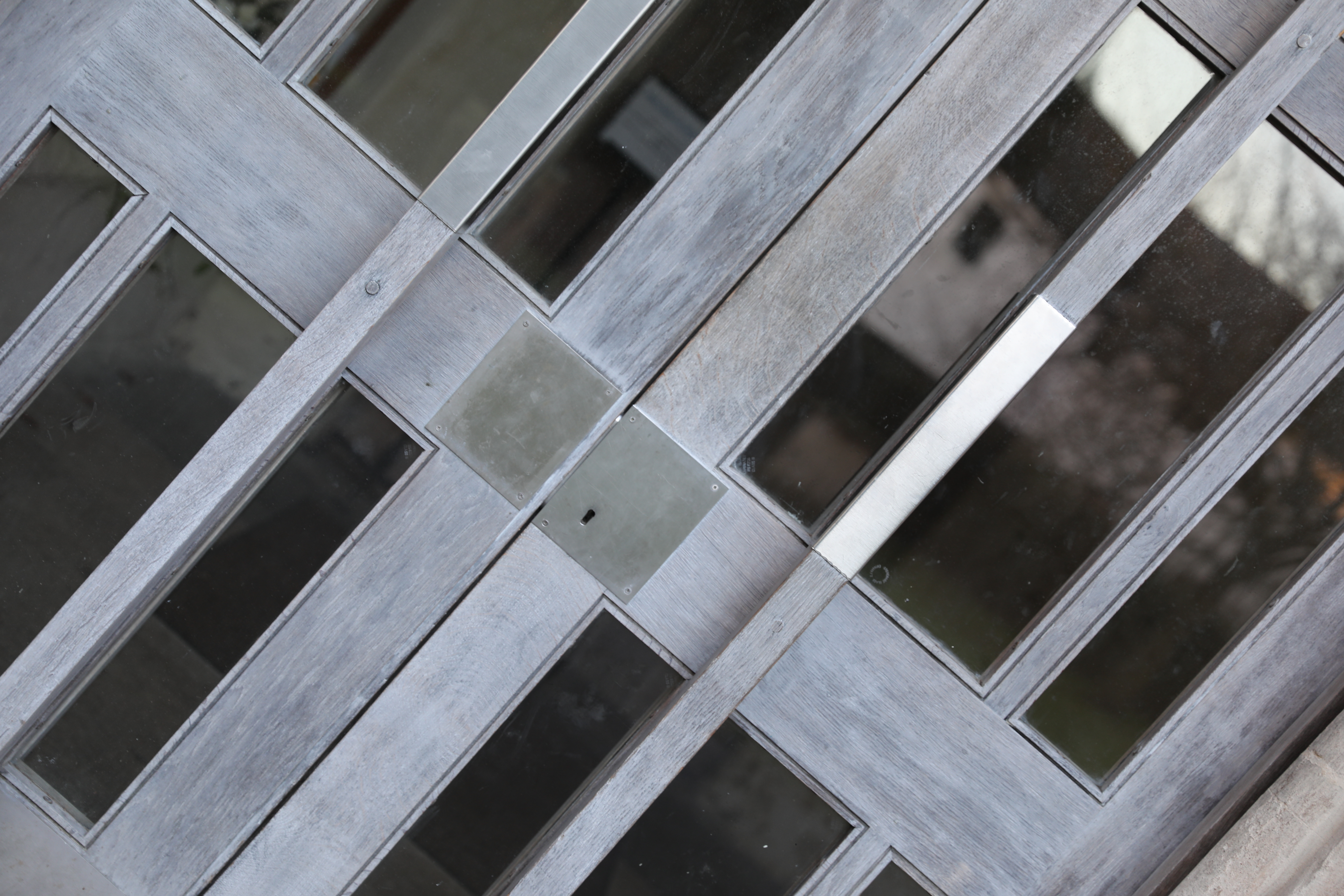
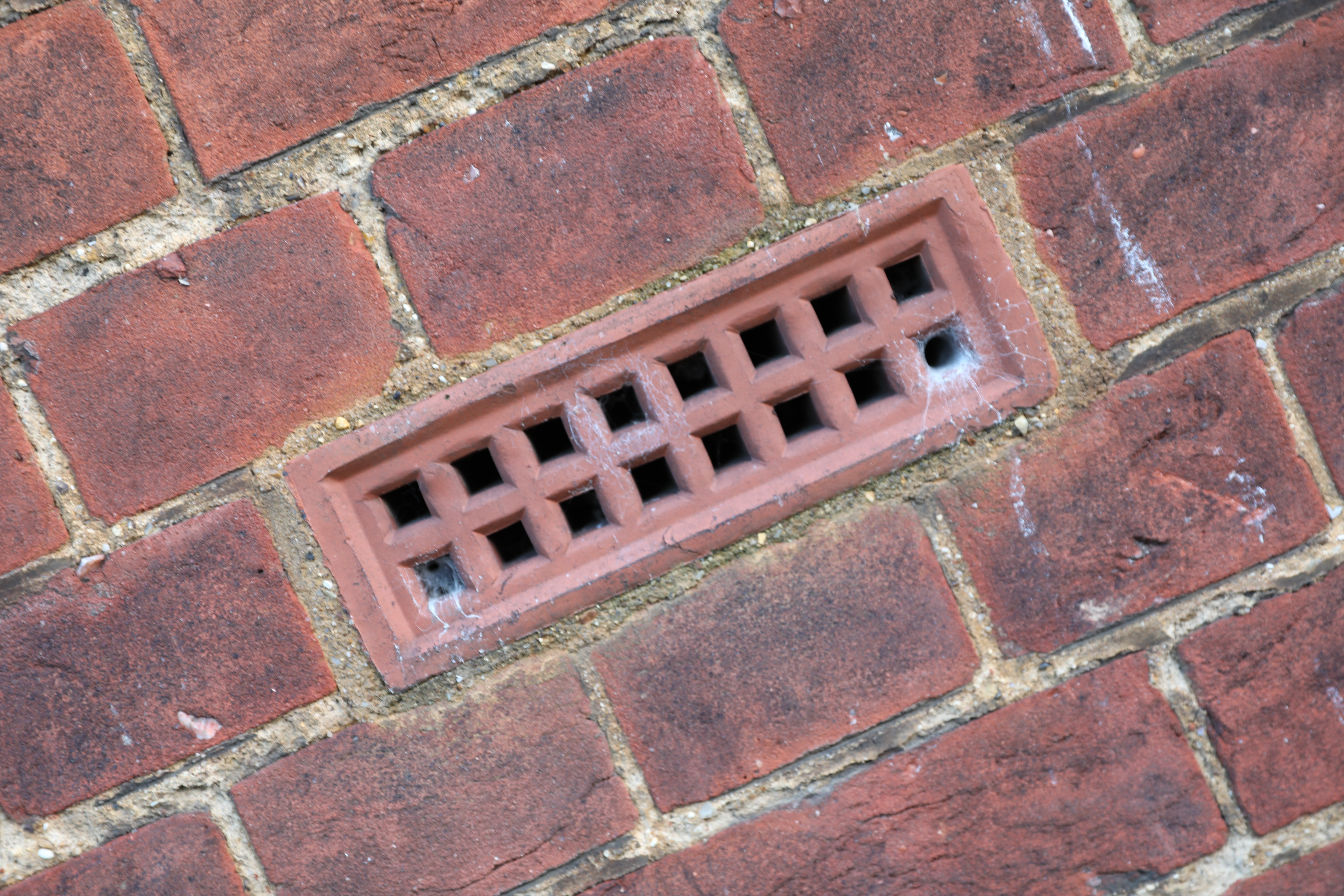
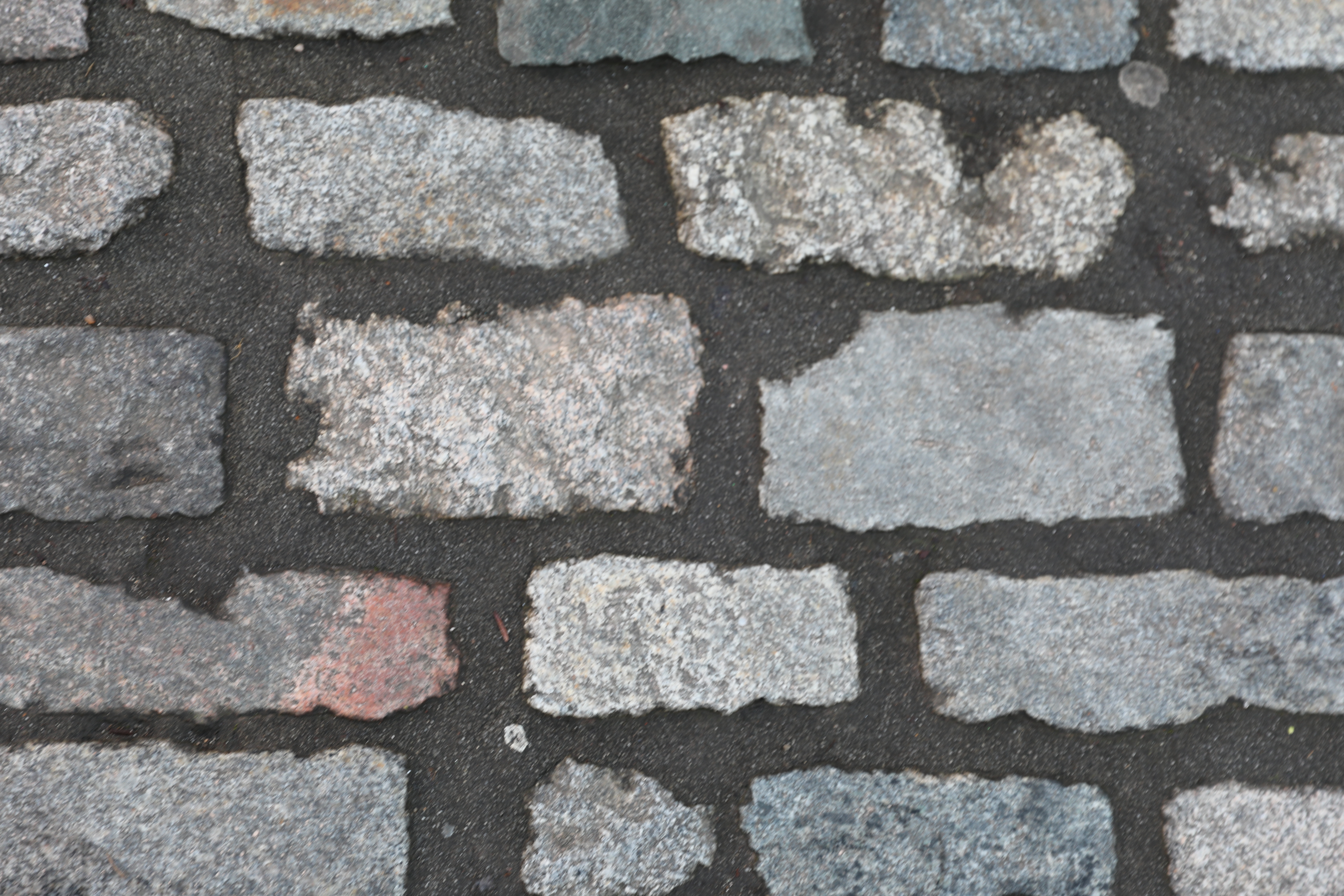
After reviewing the images from both parts of exercise 1.3 it is clear to see there is a significant difference in how lines can create perspective or end abruptly.
If you choose a viewpoint close to a diagonal line, use a wide angle lens and zoom out, you achieve an image with considerably more depth and a greater sense of perspective, but sometimes there is nothing to draw you back inwards, the lines need to have somewhere to go within the frame, whereas when flattening the images, the lines take you straight towards the frame and doesn’t disrupt the composition.
There seems to be a clear distinction between cropping and framing in Evans’ work. Note down what you understand to be the difference between ‘cropping’ and ‘framing’ in your learning log.
Cropping is when you manipulate an image using software by selecting the part of the image you want keep and deleting the parts you don’t, cropping can be used if resizing an image, or to remove some or all of the outer parts of the images to make the image cleaner and more pleasing to the eye. Whether cropping an image constitutes image manipulation is a question professional photographers have debated for a long time, however, I personally believe that if cropping makes the image appear more balanced and that is the only adjustment made, then the inner image itself has remained unchanged.
Framing is what a photographer surveys when composing an image, the frame is the edges of your image determined by your cameras specifications, you can use the frame to position your subjects in different areas within the frame, you can zoom in or out, or site your subject at high or low points depending on what image you are hoping to achieve, you can also use your frame as a grid to structure your image around your view point.
 Jo's Photo Blog