
Use a combination of wide apertures, long focal lengths and close viewpoints to take a number of
photographs with shallow depth of field. (Remember that smaller f numbers mean wider apertures.) Try to compose the out-of-focus parts of the picture together with the main subject. Add one or two unedited sequences, together with relevant shooting data and an indication of your selects, to your learning log.

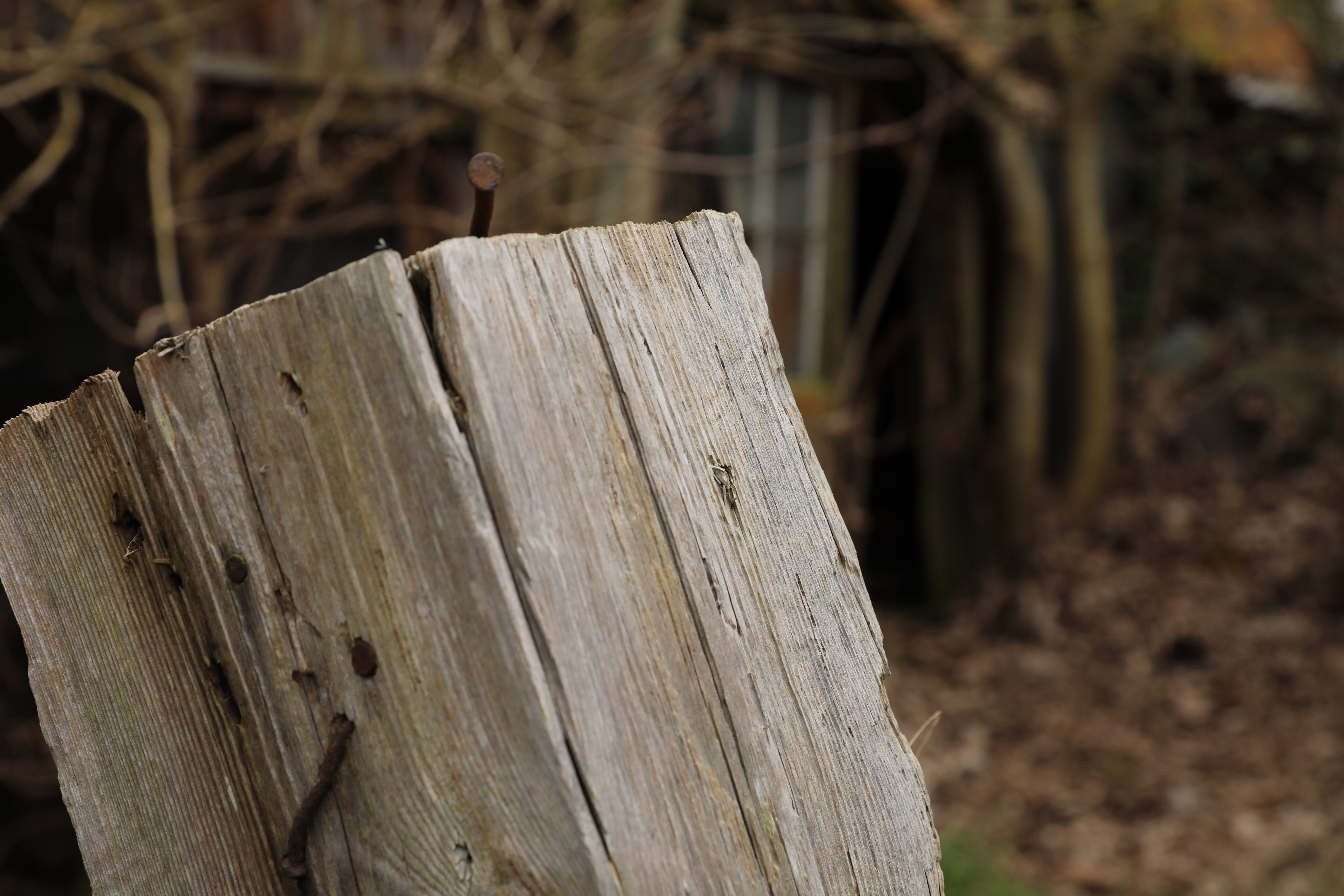
All these images were taken using a Canon EOS 5D mark IV with a 24mm-70mm telephoto lens, the camera was set on aperture priority.
For the first image above, I set the aperture to F/2.8 using a focal distance of 70mm, this is the widest aperture I could achieve. I was certain that I would accomplish the very shallow depth of field as required by the brief, however I was surprised at just how blurred the background was. I had tried to compose the out-of -focus parts with the main subject, but it didn’t actually produce what I expected, unfortunately you couldn’t recognise what was in the background.
So for the second image above, I altered the aperture to F/7.1 using the same focal distance of 70mm, I still achieved the shallow depth of field, however the background wasn’t as blurred so you could identify the derelict building in the background, so this seemed to work much better if you wanted to compose the out-of-focus parts with the main subject.
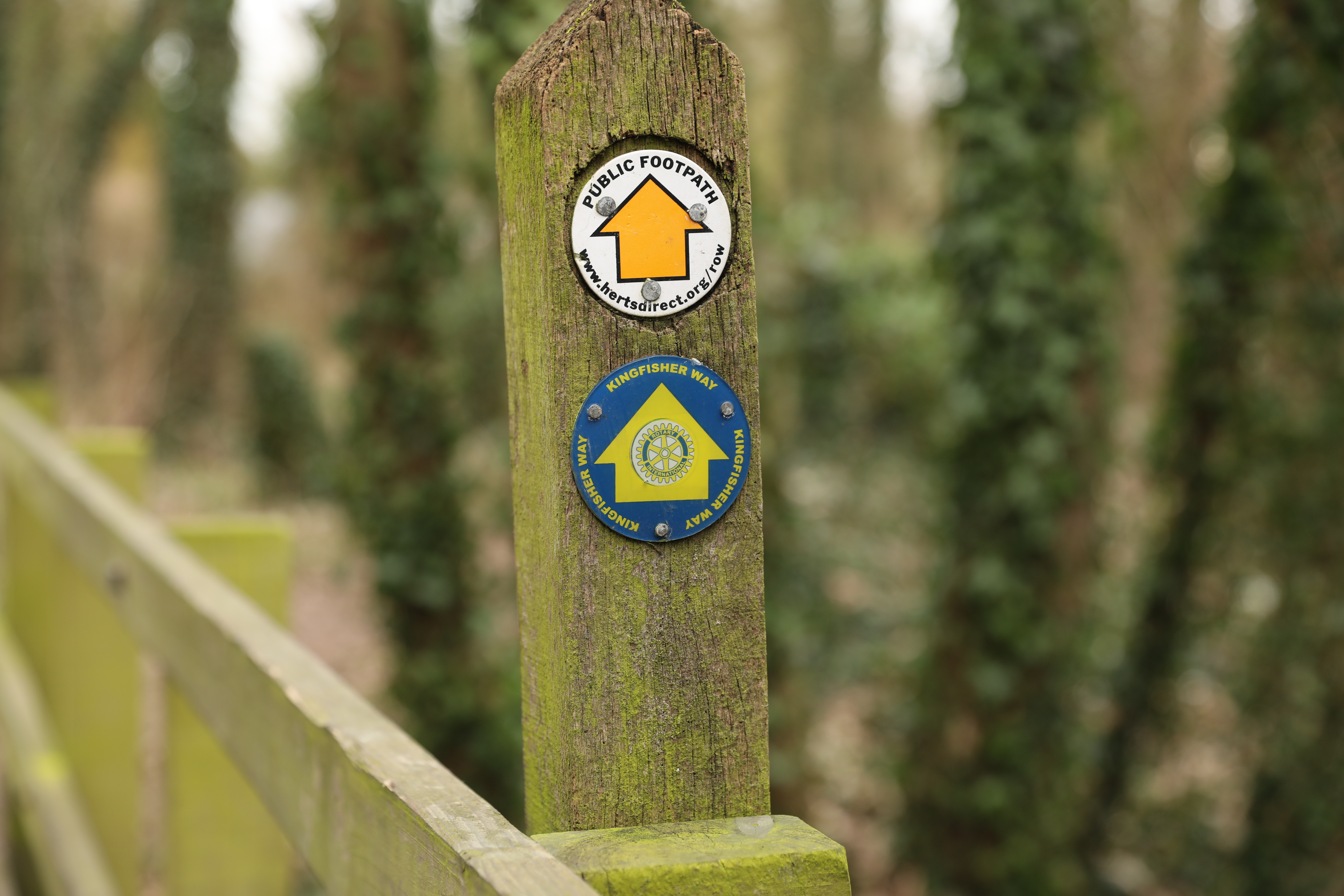
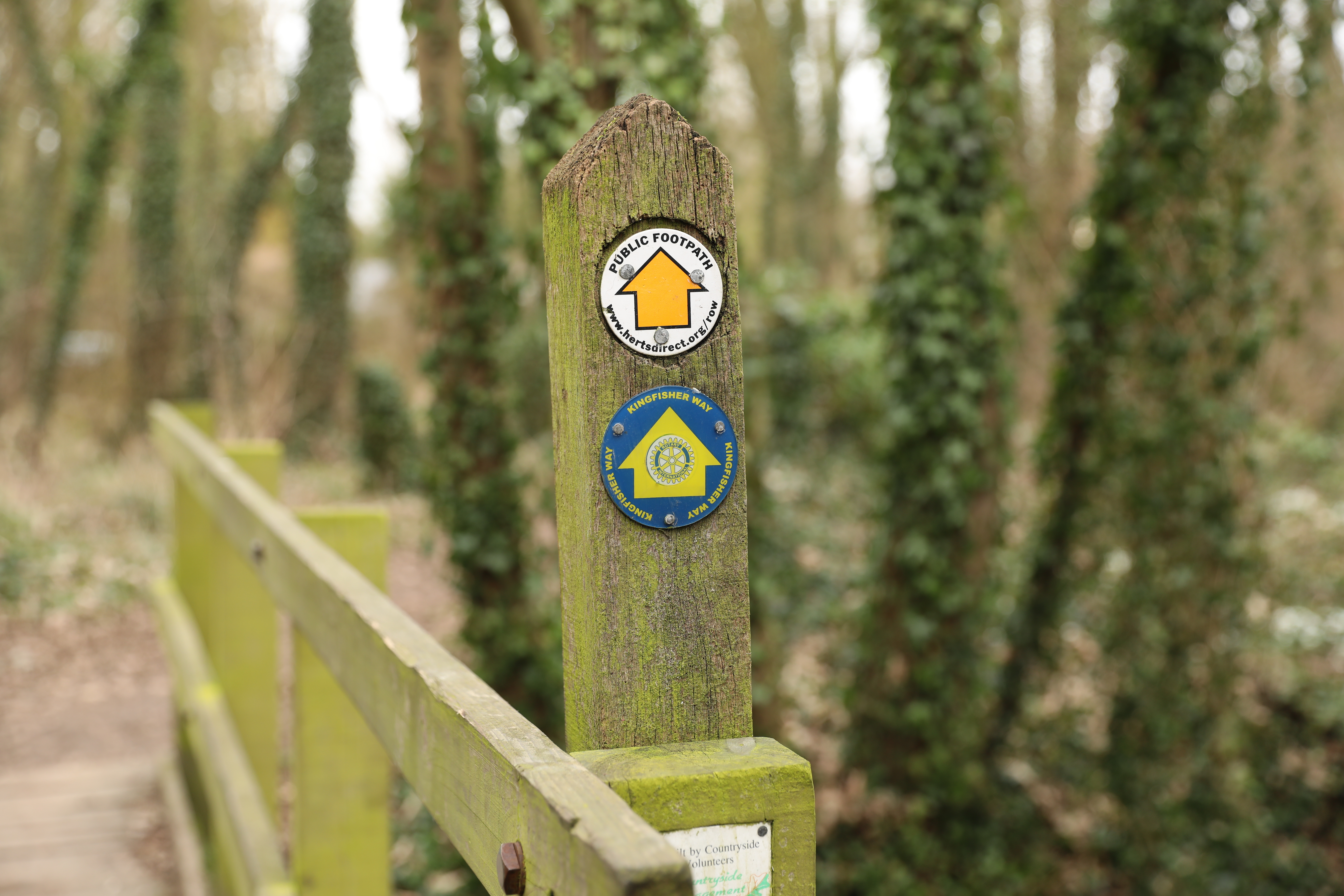
The two images above were taken with the aperture at F/3.5, for the first image the focal distance used was 70mm, for the second image the focal distance used was 50mm, the shallow depth of field was still achieved, however the shorter focal length made the depth of field less shallow.
Using wide apertures, long focal lengths and close viewpoints really emphasises the subject and brings it to the fore front of the image, almost separating it from the other parts. Then the soft blurring of the background takes your eyes briefly past the subject into an imaginary dream world before you are drawn back to the subject again.
 Jo's Photo Blog