
Using fast shutter speeds, try to isolate a frozen moment of time in a moving subject. Depending on the available light you may have to select a high ISO to avoid visible blur in the photograph. Try to find the beauty in a fragment of time that fascinated John Szarkowski. Add a selection of shots, together with relevant shooting data and a description of your process (how you captured the images), to your learning log.
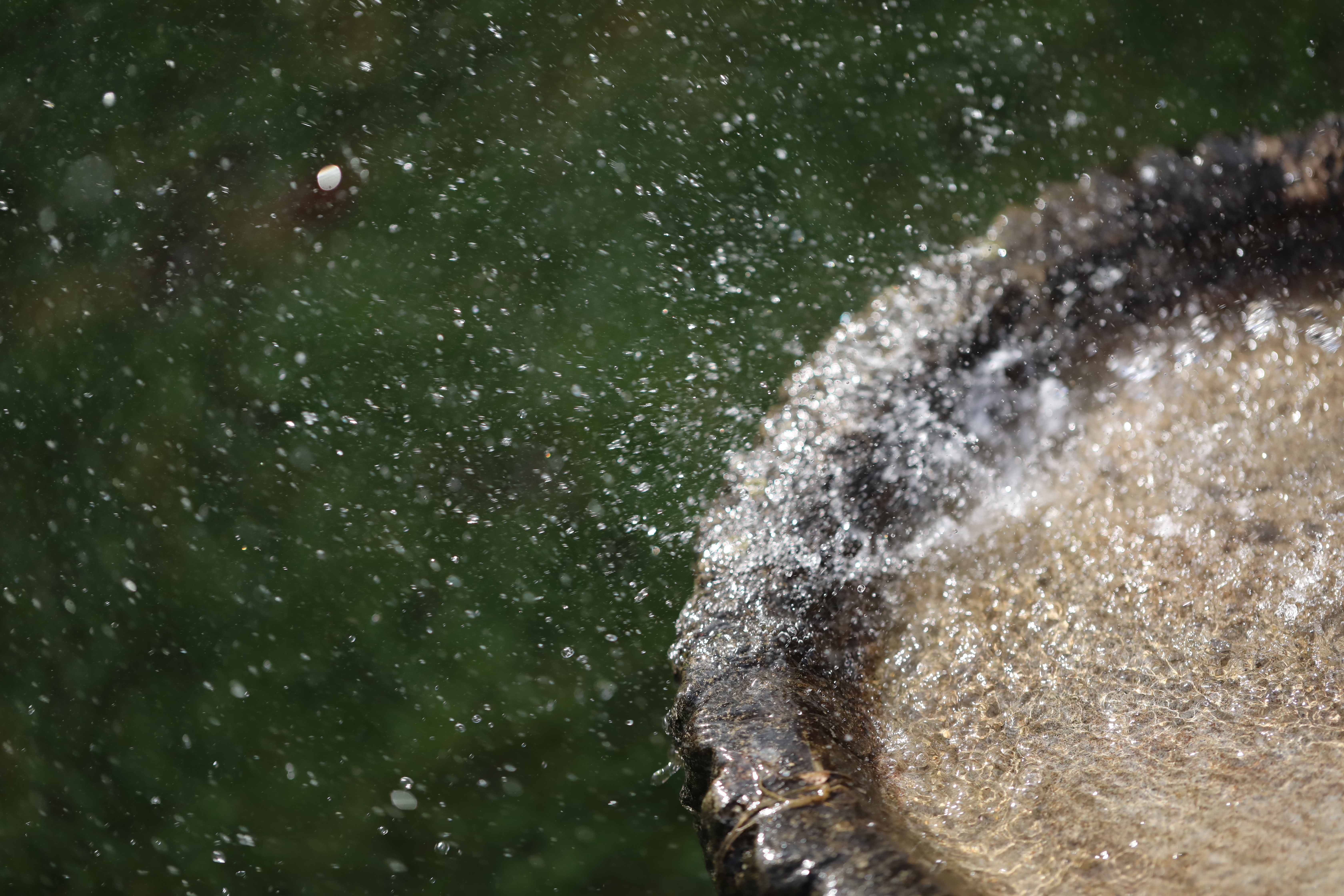
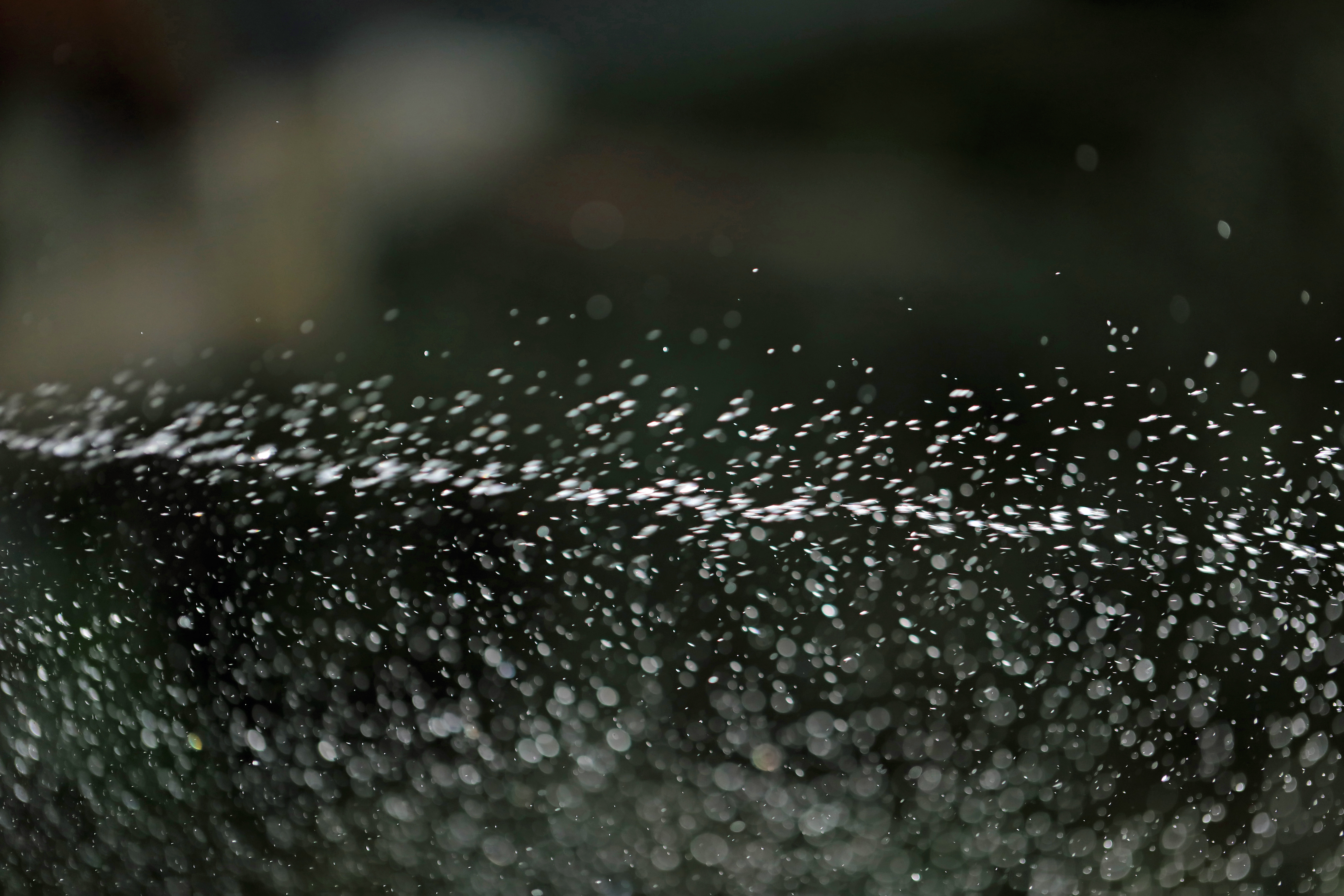
For this exercise I made a list of possibilities of what to photograph to capture something that the eye couldn’t see. My final choices were bubbles and water. It was really difficult trying to capture the exact moment a bubble bursts, but I eventually managed to achieve at least one image I was pleased with. The individual water droplets couldn’t be seen with the naked eye either. I was really astonished at the amount of detail you could actually see when using a fast shutter speed. I totally agree with Swarkowski’s views of how beautiful a hidden fragment of time is when you can finally see it.
“There is a pleasure and beauty in this fragmenting of time that had little to do with what was happening. It had to do, rather, with seeing the momentary patterning of lines and shapes that had been previously concealed within the flux of movement.” Szarkowski (2007 course notes P58).
The images were taken with a Canon EOS 5D mark IV full frame camera with a Macro lens.
For the first image the camera was set to shutter priority F/2.8, 1/6400, ISO 640 with the continuous drive mode on.
For the second image the camera was set to shutter priority F/2.8, 1/6400, ISO 400 with the continuous drive mode on.
For the third image the camera was set to shutter priority F/2.8, 1/6400, ISO 640 with the continuous drive mode on.
For the forth image the camera was set to shutter priority F/2.8, 1/8000, ISO 640 with the continuous drive mode on.


 Jo's Photo Blog