
Start by doing your own research into some of the artists discussed above.
Then, using slow shutter speeds, the multiple exposure function, or another technique inspired by the examples above, try to record the trace of movement within the frame. You can be as experimental as you like. Add a selection of shots together with relevant shooting data and a description of your process (how you captured the shots) to your learning log.
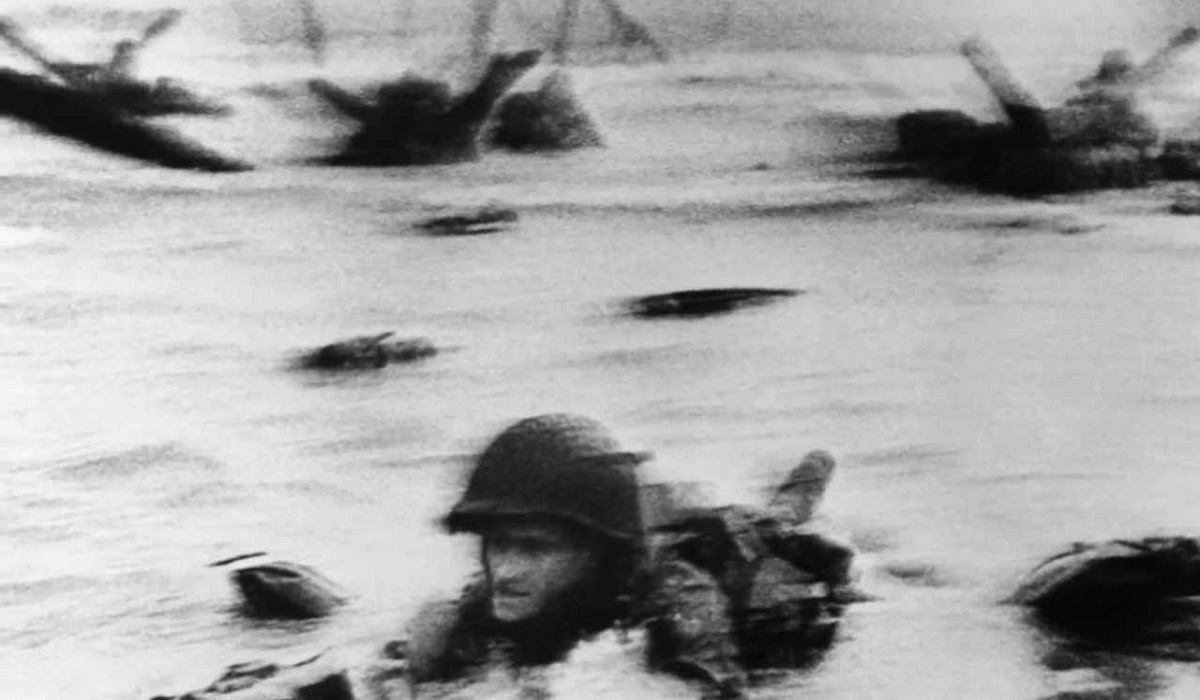
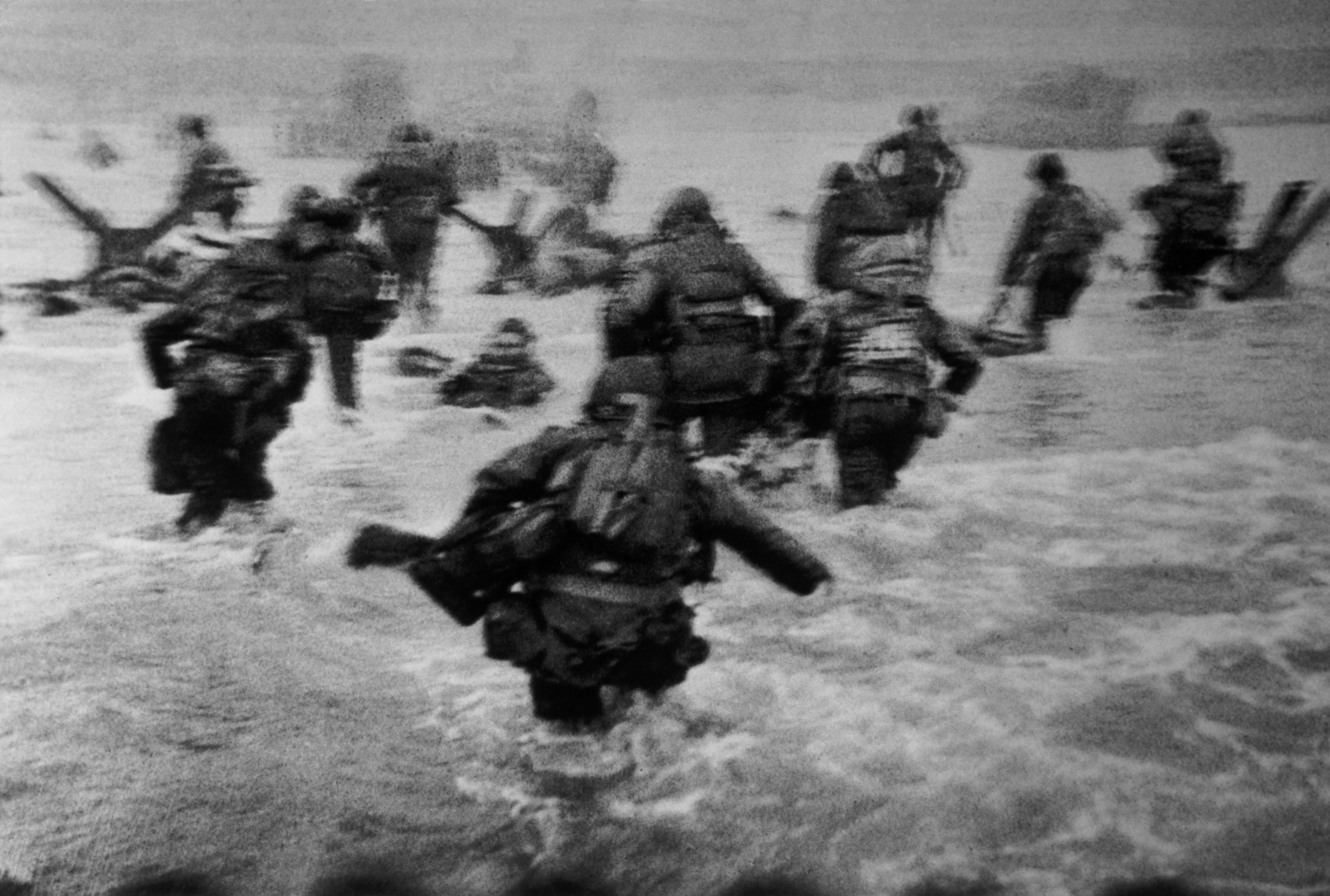
Robert Capa (1913-1954) was a Hungarian war photographer. He was born André Friedman but later changed his name to Robert Capa. He covered five wars risking his life on numerous occasions. He was renowned as “the greatest war photographer ever” (1938 Picture Post), and said that “his art lay in risking where to be and when”. Capa R (1913-1954). His most famous photographs were taken when he accompanied the first wave of American troops to arrive on Omaha Beach in Normandy, France on June 6th 1944, now commonly known as D-Day. This day was one of the bloodiest days in history with the loss of 2,400 American lives on the first day.
He took 106 photographs on that eventful day, however when he took the films to be processed the darkroom assistant in his excitement, turned the heat up too high when drying the negatives and destroyed all but eight of his images. One of the photographs that survived was of a soldier in the sea, thus becoming one of his most famous images, an icon of D-Day.
The picture itself is noisy, grainy and blurred, but somehow it emanates the raw emotions of war. It also gives a sense of movement when you look at the soldier wading through the water.
But this poses the question, were these images taken with fundamental photographer errors? Was the shutter speed set too slow? Did Robert Capa have camera shake? After all he was in the middle of a bloody war zone, there were other images taken that day that too which were in focus. I think you have to make up your own mind on this occasion.
But it was, and still is, a very powerful photograph.
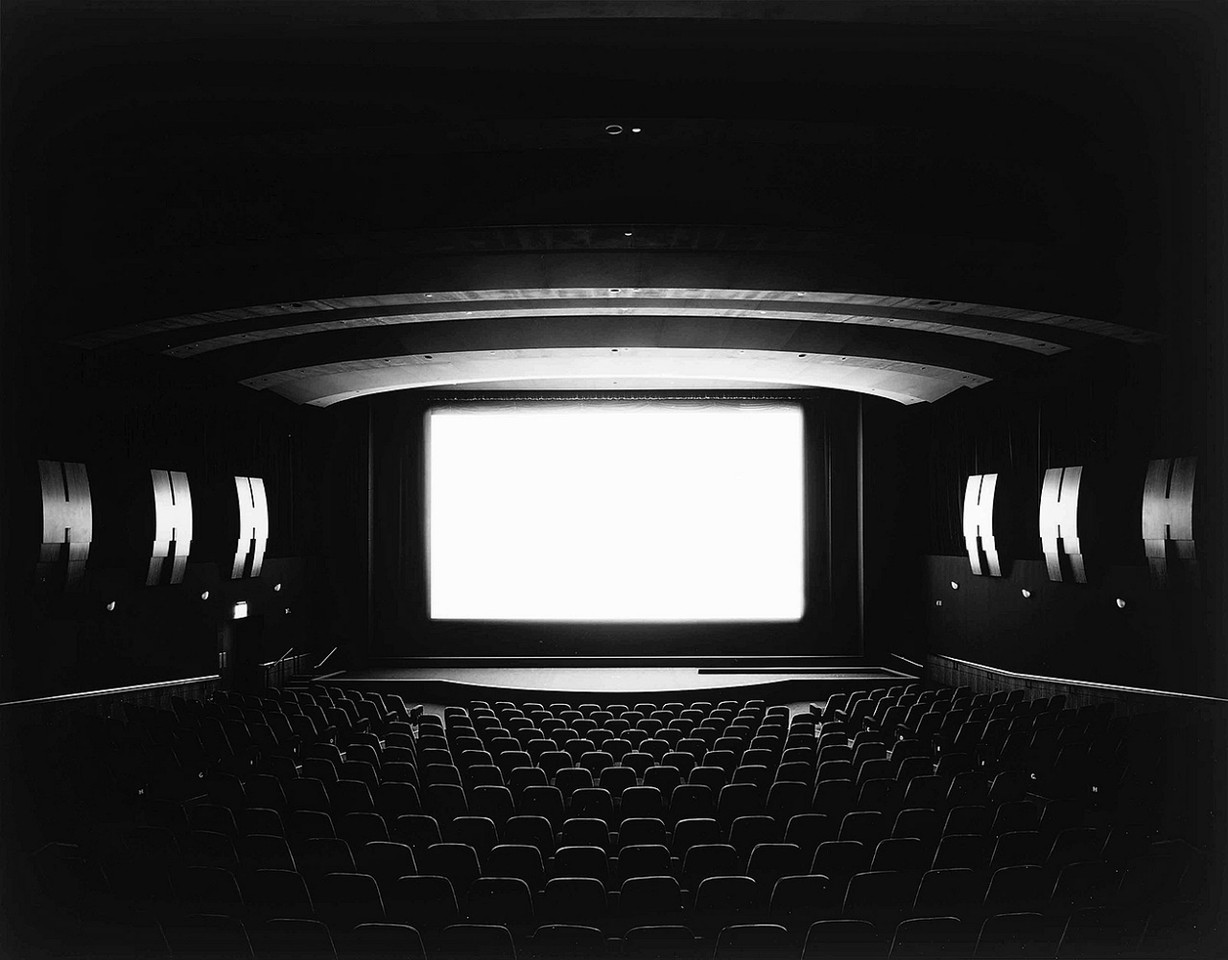
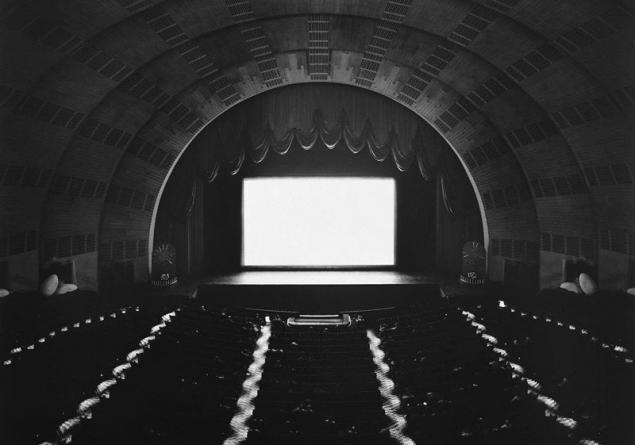
Hiroshi Sugimoto (b1948) was born in Tokyo in 1948, and he took a series of photographs called Theatre. The theatre images were taken in the USA between 1978 – 1980.
He chose ornately decorated cinemas for this series. He set his camera on a tripod and placed it in a position that would capture the screen and the surrounding auditorium. At the beginning of each film he opened the shutter of his camera and only closed it when the credits came up at the end of the film. He photographed thousands of frames into one image. There was no lighting in the theatres except what was emanating from the projector as the film was shown.
Hiroshi Sugimoto was experimenting with time. What was he trying to achieve? What did he expect to achieve?
The end result was fascinating, a radiantly lit blank screen in the middle of the images, with the theatre surrounding it like a shell. The movement and all of the people had vanished creating a haunting, ghostly void.
Is Hiroshi Sugimoto showing us that time never stands still? Is he expressing the sense of time as being empty? He says in his short film “you have to have something surrounded by this nothingness, in this case the movie theatre is the case to hold this emptiness” Sugimoto H (b1948).
Henri Cartier-Bresson’s notion of capturing the “decisive moment” in a snap shot of time seems to be contradicted by Hiroshi Sugimoto’s images, as no “decisive moments” could be seen in any of them. It is as if each image is a time capsule with layer upon layer of hidden information.
I find these pictures sad and vacuous, Hiroshi Sugimoto certainly does demonstrate the nothingness and emptiness.
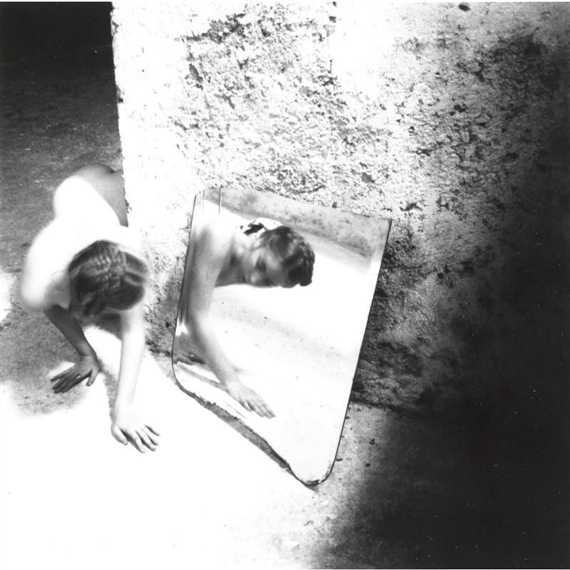
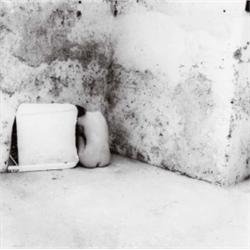
Francesca Woodman (1958-91) was born in Denver USA in 1958. She was a photographer whose best known works were black and white images featuring nude female models obscured by blurring of movement and long exposure times. She sadly committed suicide at the age of 22.
During her photography years she took many photographs of herself, you can almost visualise her mental state manifesting throughout her work. Francesca Woodman’s series of images called “Self Deceit” were an example of this. Camilla Irvine-Fortescue of The University of Edinburgh said “Francesca Woodman’s photographs explore issues of gender and the self, looking at the representation of the body, and more specifically at how her own body relates to the world and her surroundings”.
In most of the images she took of herself her face was either hidden or obscured, but in the image below you can see her reflection in the mirror, and its as if the reflection is a complete stranger from another world peering coyly back at her. When I studied the other images in the series I saw a lonely, sad, soulful person, desperately searching for something, trying to discover herself. It is desperately sad that she found her life so unbearable.
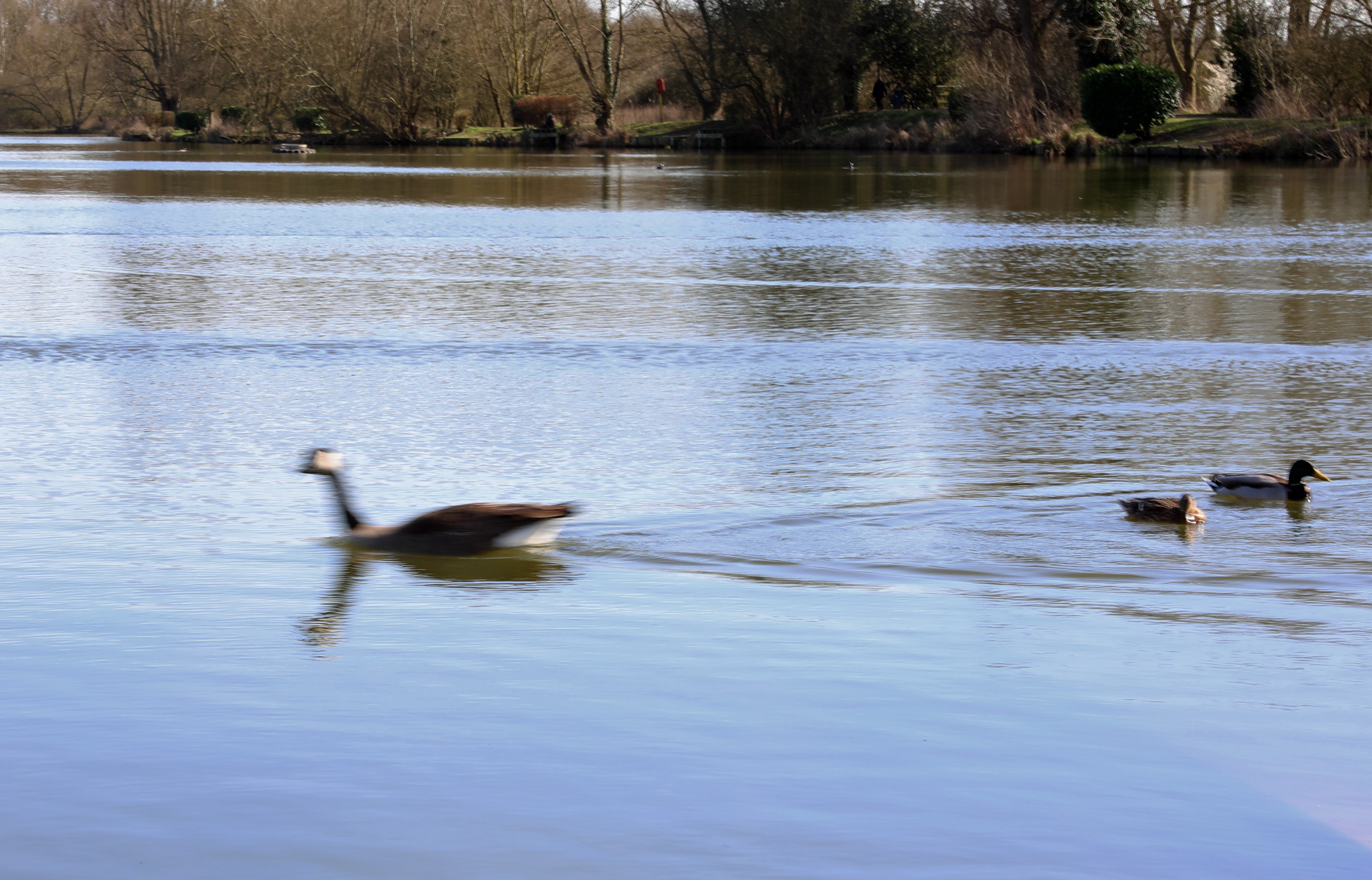
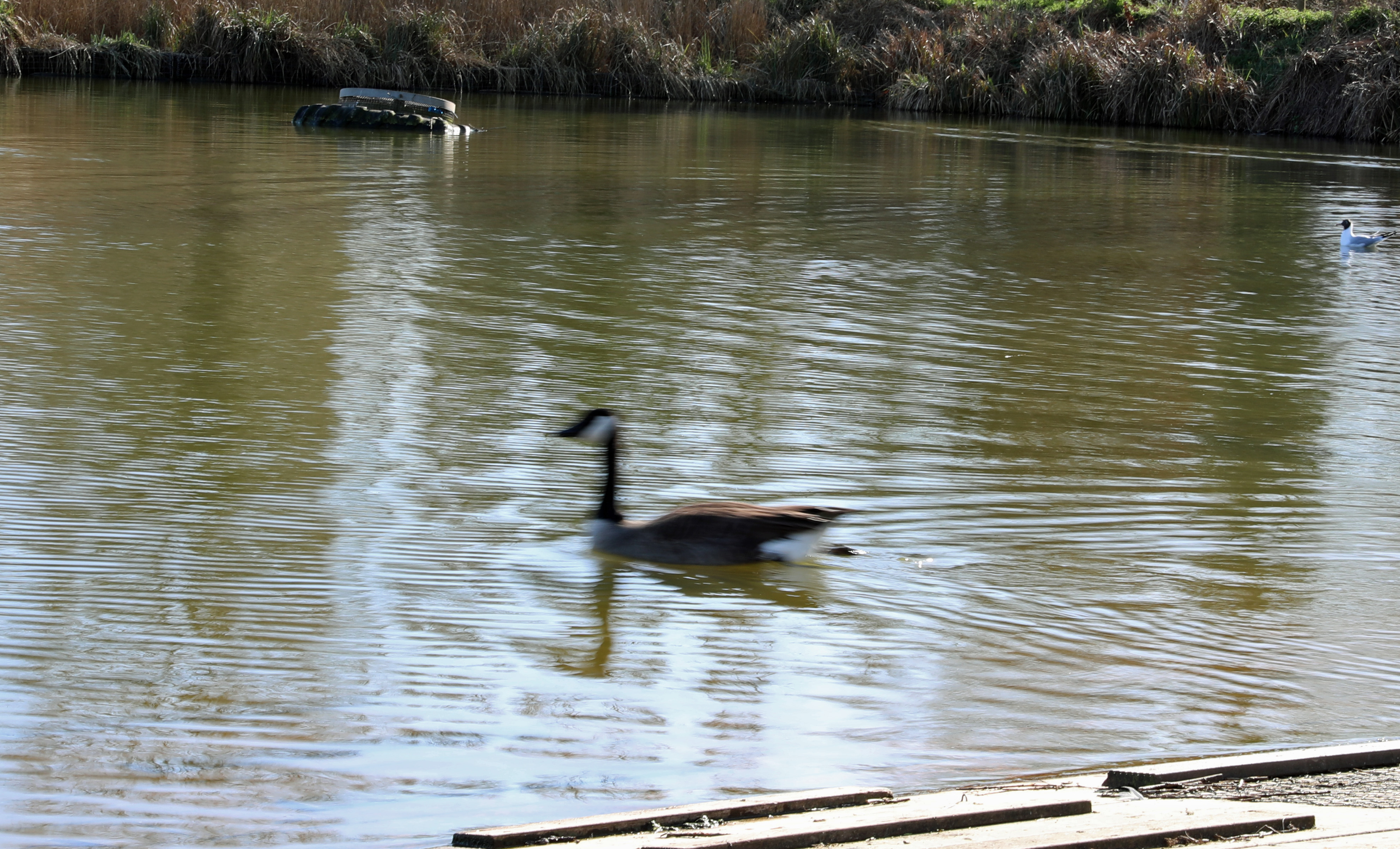
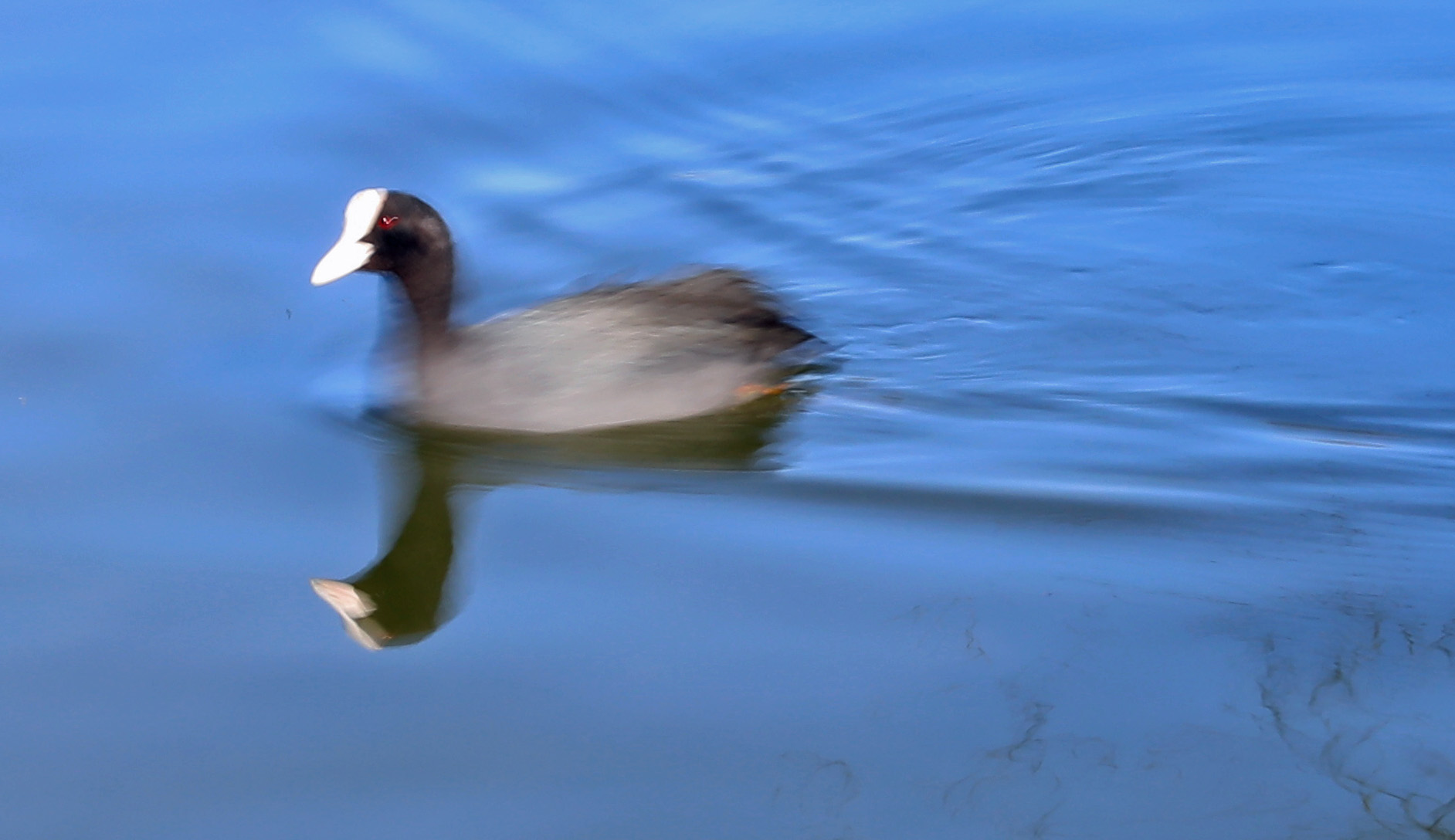
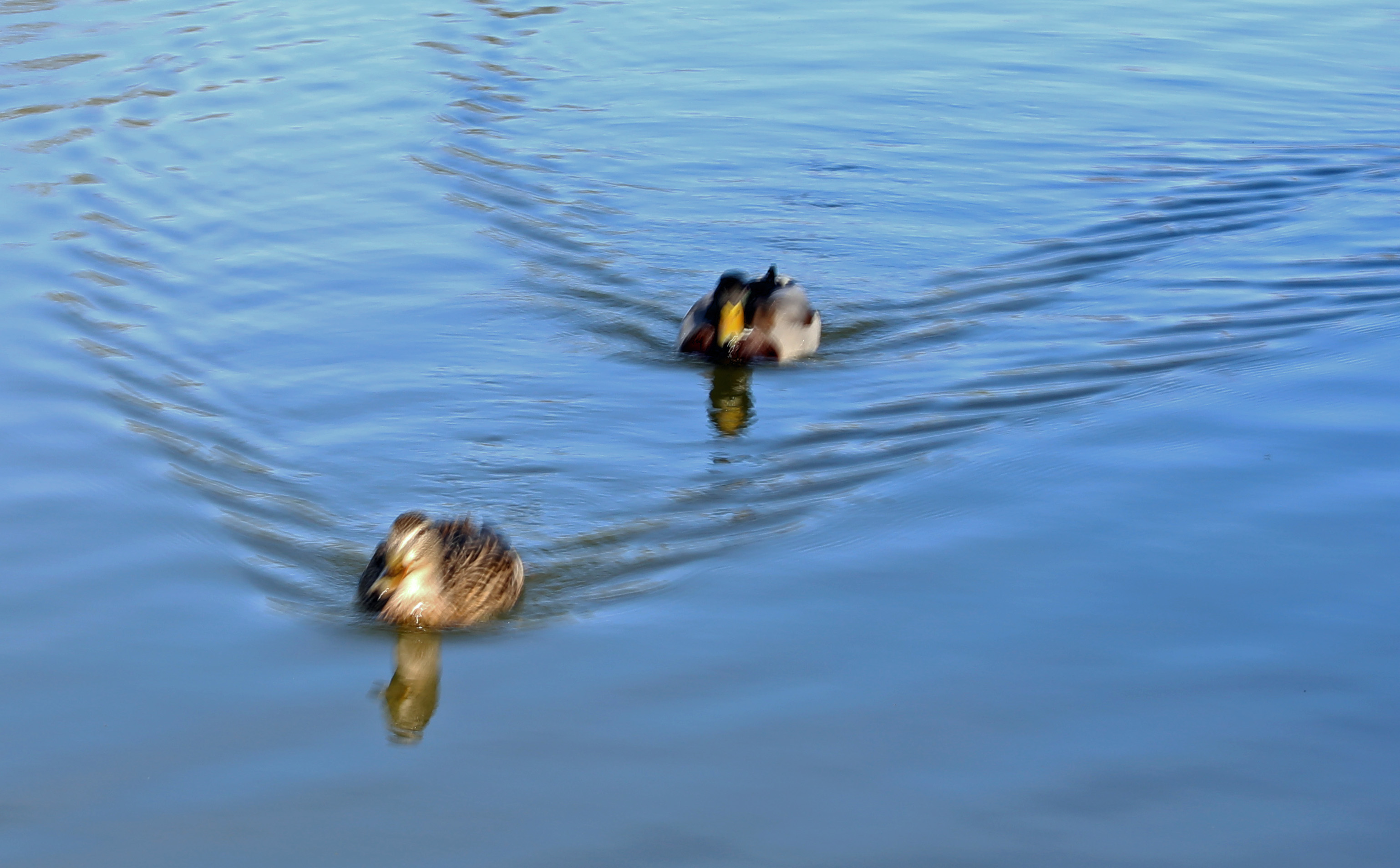
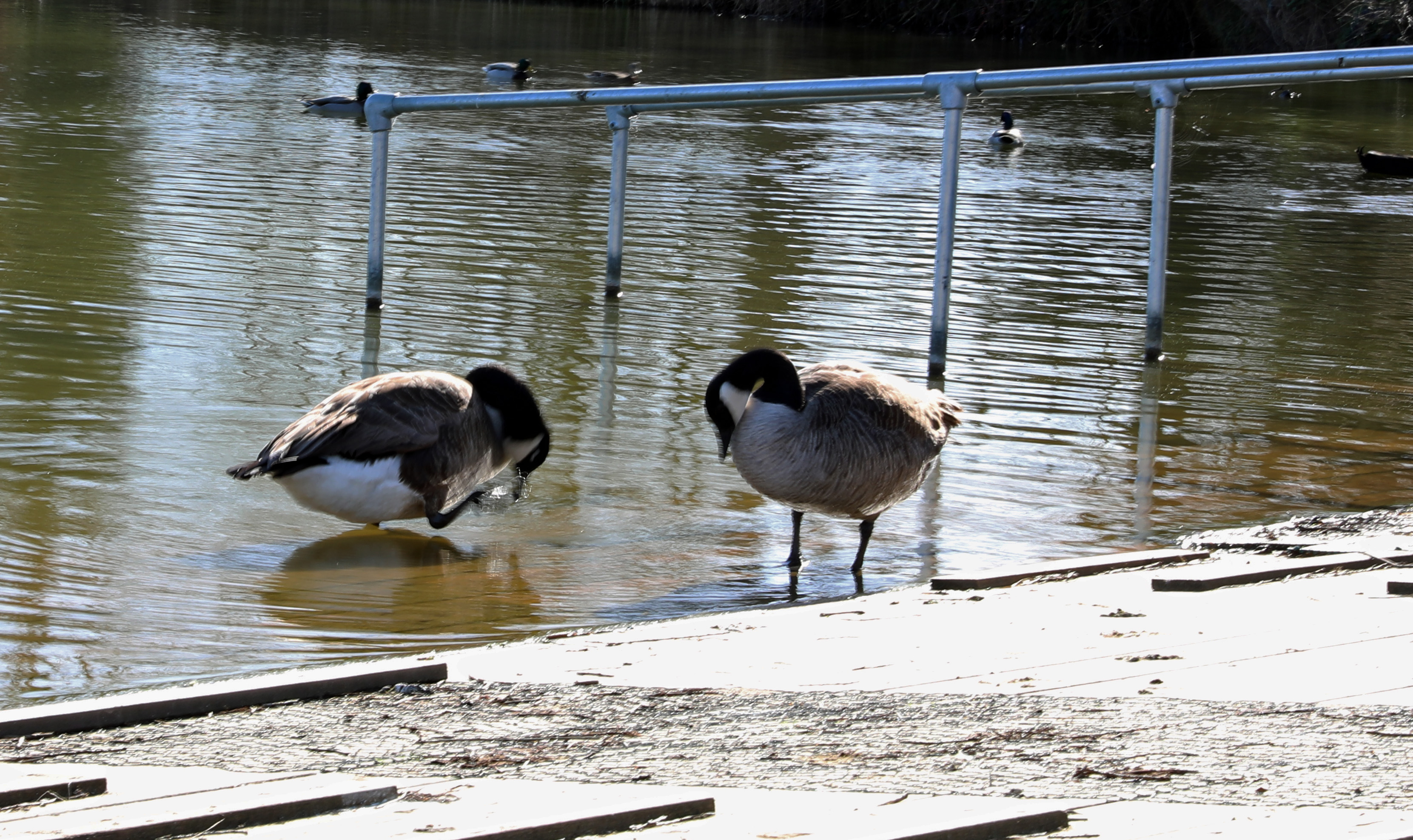
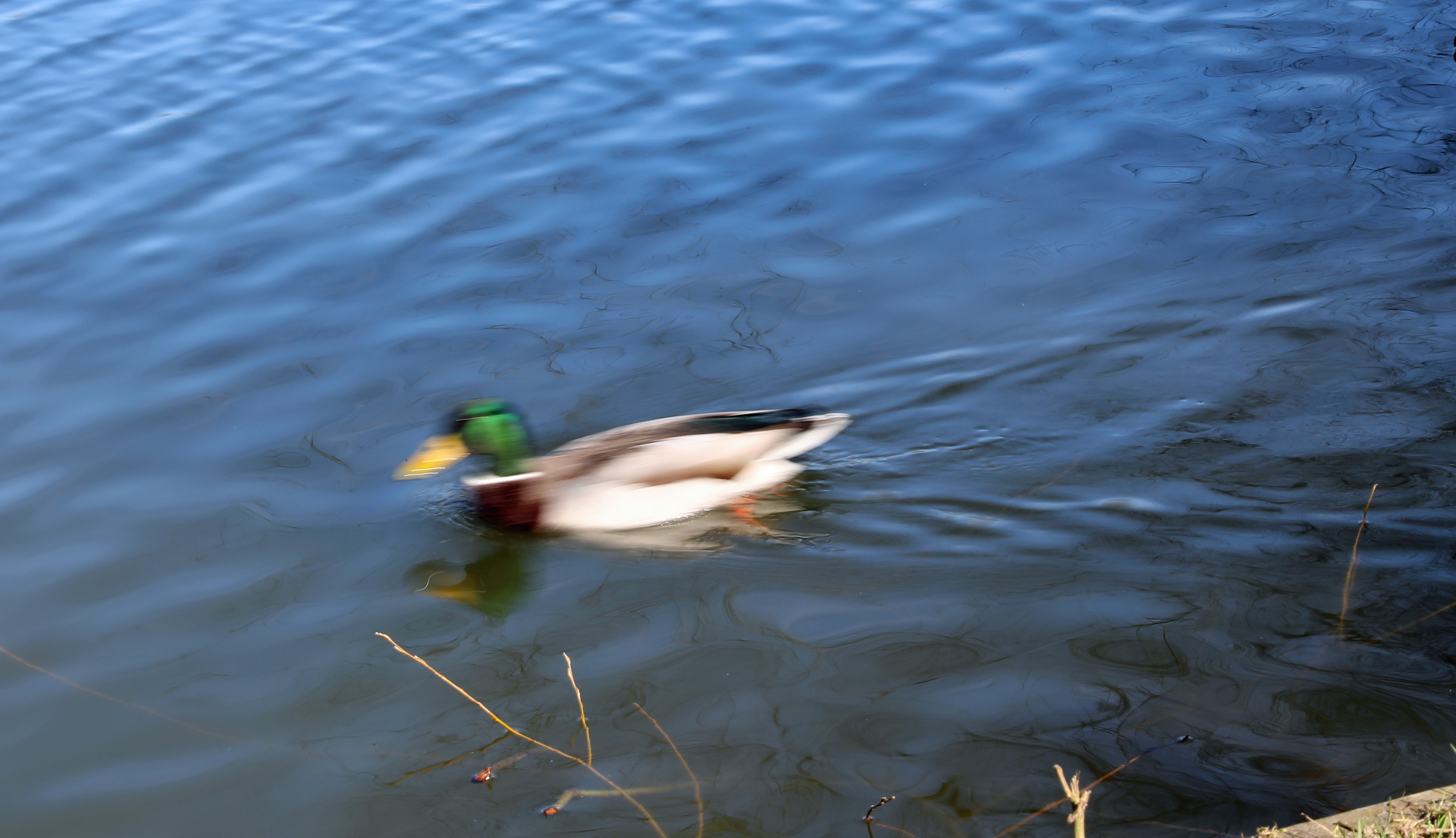
For this exercise I wasn’t sure what to photograph, I needed to think of things that were moving. As it was a nice day I decided to go to the lake hoping there would be a multitude of activities taking place, but unfortunately it was extremely quiet so the ducks and geese became my subjects.
The images were taken with a Canon EOS 5D mark IV full frame camera with a 24-70mm lens, it was set to shutter priority. I used a tripod as I wanted to experiment with slow shutter speeds without getting camera shake. It was really sunny that day and on a few occasions when I slowed the shutter speed down the images came out very overexposed, so I was slightly limited as to how slow I could go to achieve a the images I wanted.
I was happy with images in the end, I felt as with Robert Capa’s image of the soldier in the sea, I had captured a sense of movement.
For the first image the camera was set to shutter priority F/22, 1/10, ISO 100 with the continuous drive mode on.
For the second image the camera was set to shutter priority F/22, 1/10, ISO 100 with the continuous drive mode on.
For the third image the camera was set to shutter priority F/22, 1/8, ISO 100 with the continuous drive mode on.
For the forth image the camera was set to shutter priority F/22, 1/10, ISO 100 with the continuous drive mode on.
For the fifth image the camera was set to shutter priority F/22, 1/8, ISO 100 with the continuous drive mode on.
For the sixth image the camera was set to shutter priority F/22, 1/13, ISO 100 with the continuous drive mode on.
 Jo's Photo Blog