
Capture ‘the beauty of artificial light’ in a short sequence of shots (‘beauty’ is, of course, a subjective term). The correct white balance setting will be important; this can get tricky –but interesting – if there are mixed light sources of different colour temperatures in the same shot. You can shoot indoors or outside but the light should be ambient rather than camera flash. Add the sequence to your learning log. In your notes try to describe the difference in the quality of light from the daylight shots in Exercise 4.2.
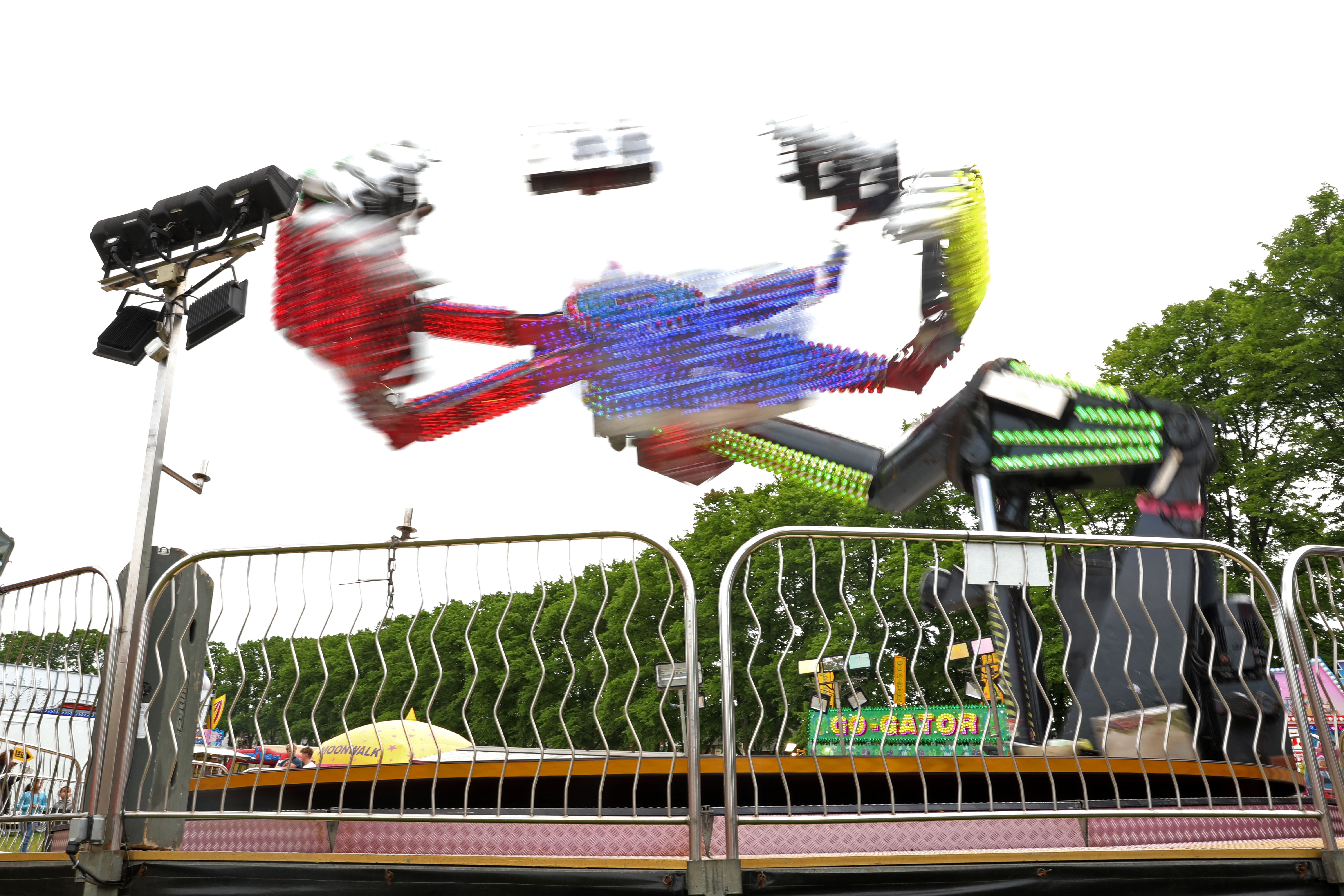
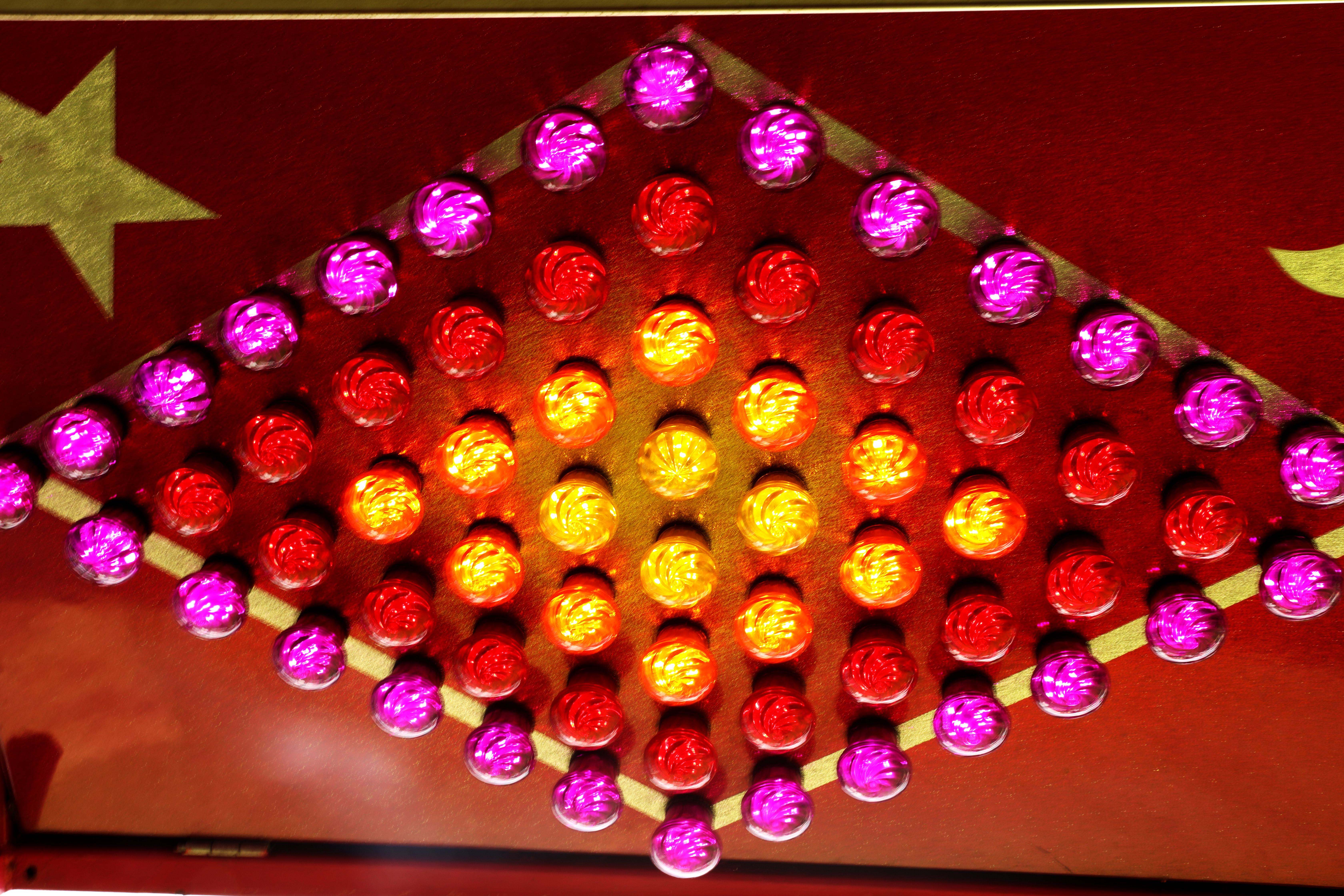
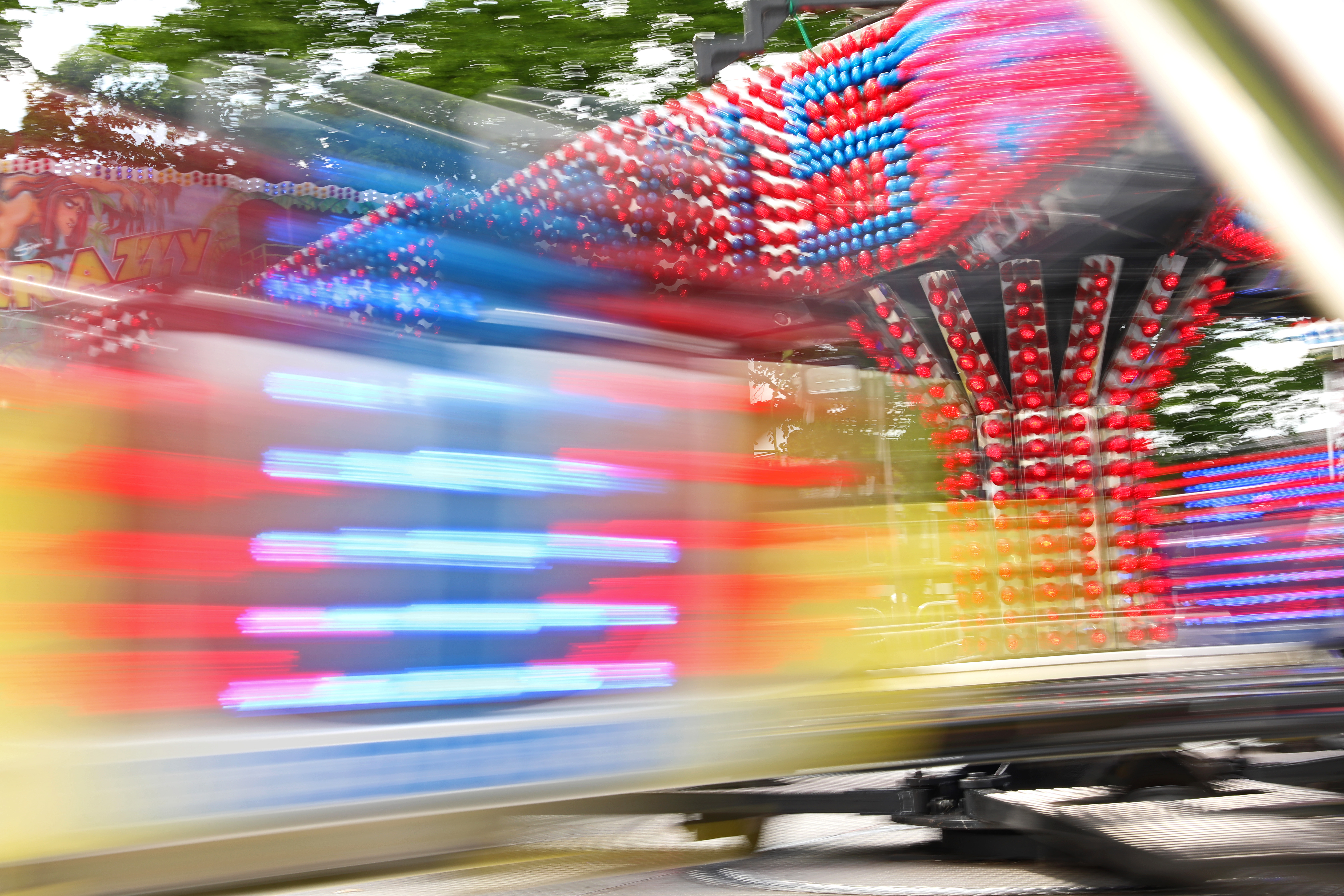
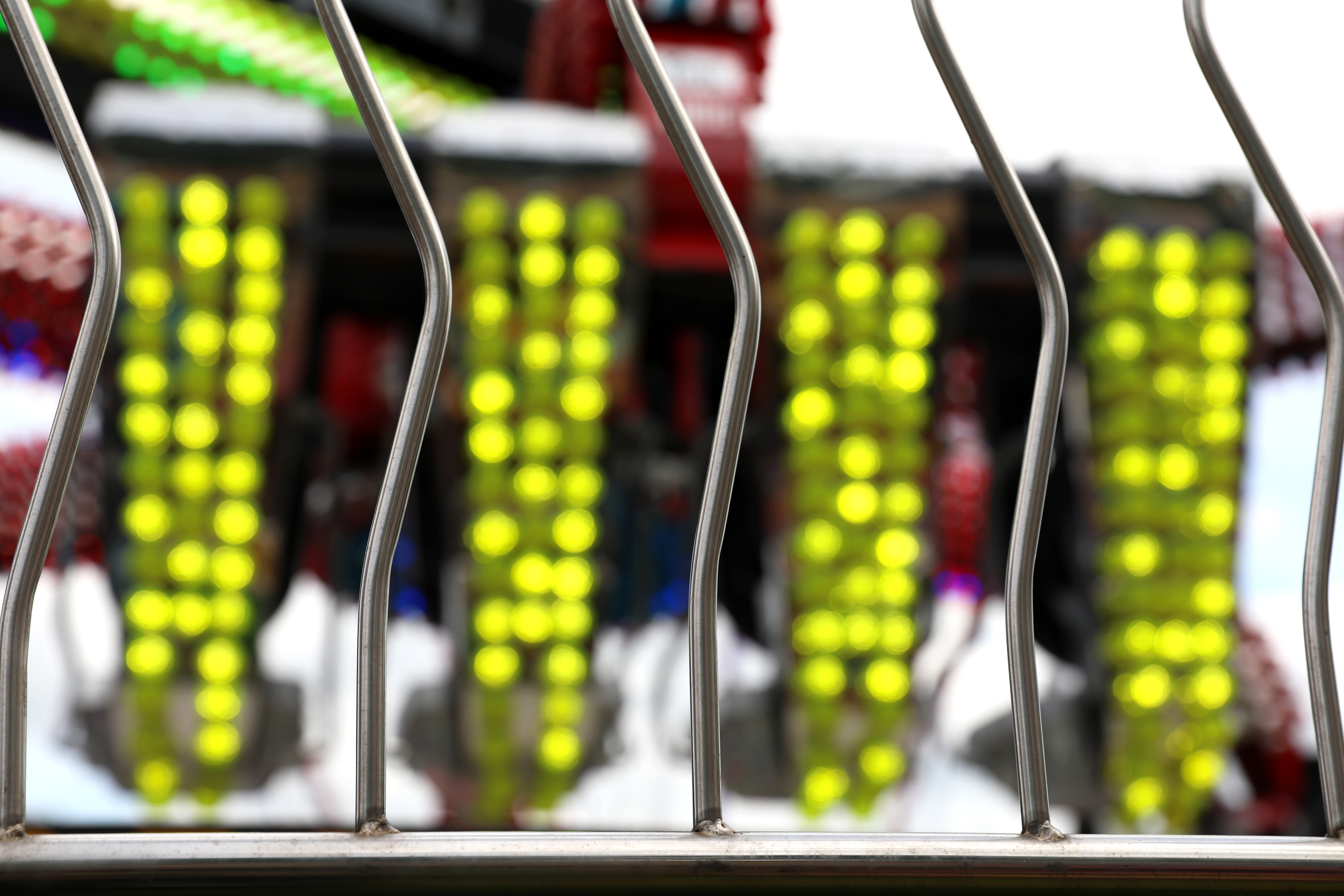
These images were taken using a Canon EOS 5D mark IV with a 24mm-70mm telephoto lens in manual mode. All the shots were taken during the day, although it was quite dull and overcast.
Image 1 ISO100 F/22 1/8 for this image I wanted to capture the beauty of the light movement, so I chose a relatively slow shutter speed making the image slightly over exposed.
Image 2 ISO100 F/22 1/6 for this image I wanted the lights to be warm and ambient even though it was in daylight, I think I could have made them slightly darker to get more of a warmer feel.
Image 3 ISO100 F/20 1/8 again for this image I wanted to capture the beauty of the light whilst moving, I like the way that it almost fills the frame.
Image 4 ISO100 F/5.6 1/500 for this image I wanted to capture the blurring of the lights, I think this shot would have been a lot better if I had adjusted the white balance to make it slightly darker.
This exercise was quite challenging, the white balance can make a considerable impact to a composition, colours and tones can change significantly , getting it right can be more difficult than you first think. The difference in the quality of light from exercise 4.2 is that artificial light has a warmth whereas the shots in the daytime are very strong and intense.
 Jo's Photo Blog