Use a combination of quality, contrast, direction and colour to light an object in order to reveal its form. For this exercise we recommend that you choose a natural or organic object such as an egg, stone, vegetable or plant, or the human face or body, rather than a man-made object. Man-made or cultural artefacts can be fascinating to light but they also contain another layer of meaning requiring interpretation by the photographer; this exercise is just about controlling the light to reveal form.
You don’t need a studio light for this exercise; a desk lamp or even window light will be fine, although a camera flash that you can use remotely is a useful tool. The only proviso is that you can control the way the light falls on the subject.
Take some time to set up the shot. The background for your subject will be crucial. For a smallish object, you can tape a large sheet of paper or card to the wall as an ‘infinity curve’ which you can mask off from the main light source by pieces of card. You don’t need to use a curve if you can manage the ‘horizon line’ effectively – the line where the surface meets background. Taking a high viewpoint will make the surface the background, in which case the surface you choose will be important to the shot.
Exposure times will be much longer than you’re used to (unless you’re using flash) and metering and focusing will be challenging. The key to success is to keep it simple. The important thing is to aim for four or five unique shots – either change the viewpoint, the subject or the lighting for each shot.
Add the sequence to your learning log. Draw a simple lighting diagram for each of your shots showing the position of the camera, the subject and the direction of the key light and fill. Don’t labour the diagrams; quick sketches with notes will be just as useful as perfect graphics. In your notes try to describe any similarities between the qualities of controlled lighting and the daylight and ambient artificial light shots from Exercises 4.2 and 4.3.
These images were taken using a Canon EOS 5D mark IV with a 100mm macro lens in manual mode.
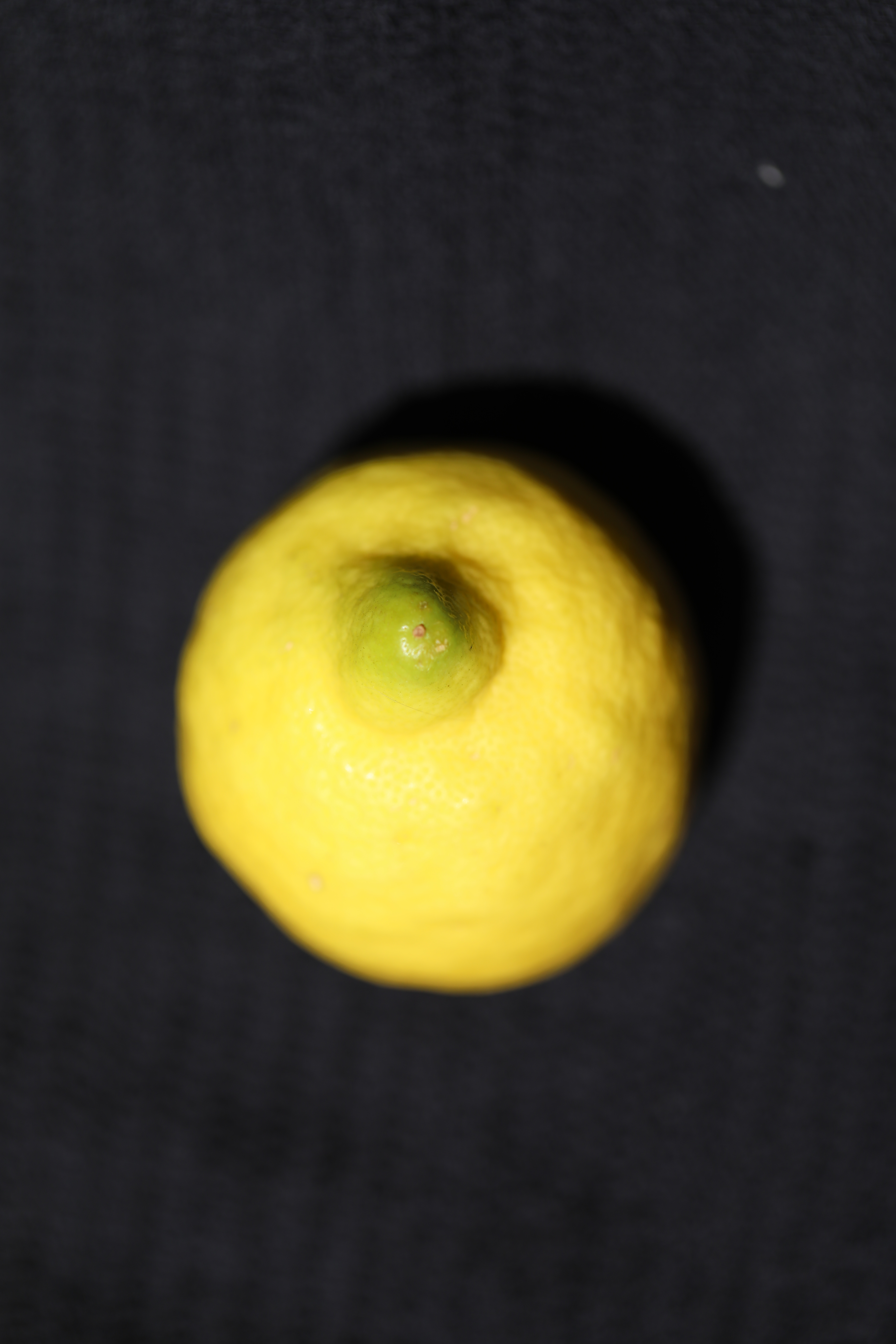
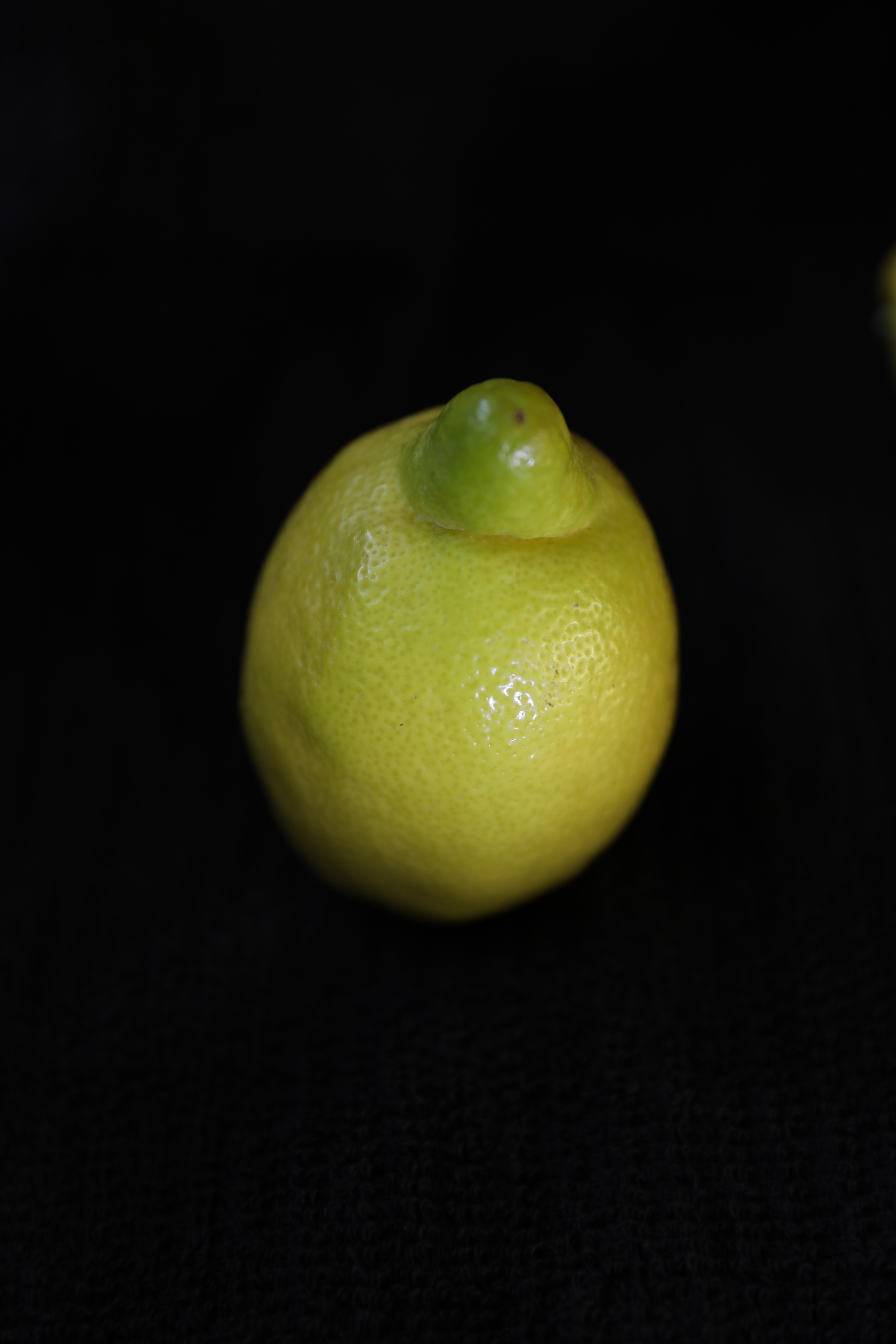
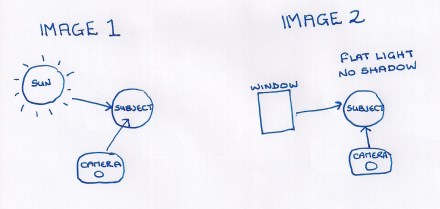
Image 1 ISO100 F/2.8 1/2000 for this image I was in direct sunlight, I used a black background and took the image from above.
Image 2 ISO100 F/2.8 1/60 for this image I used natural light through a window.
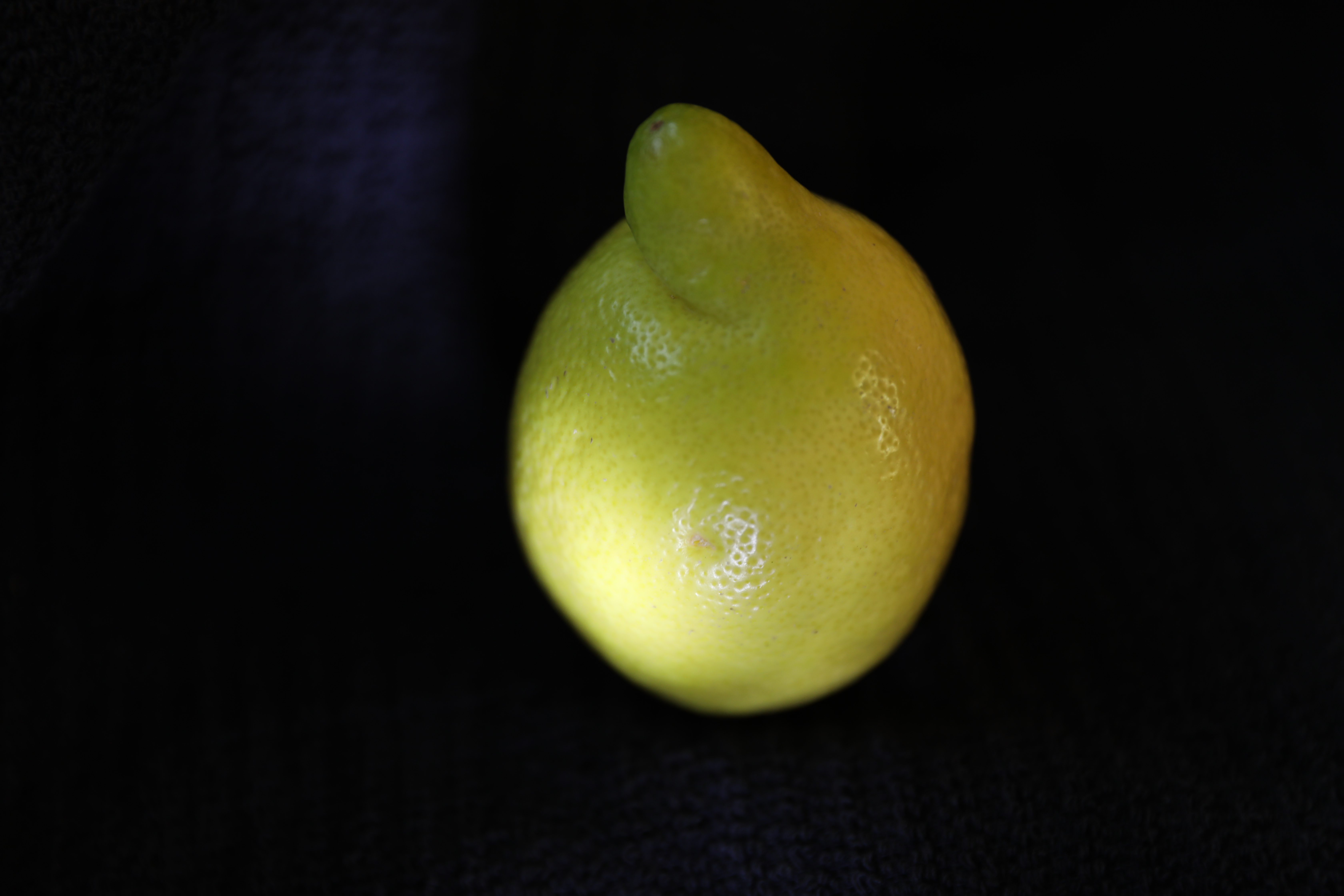
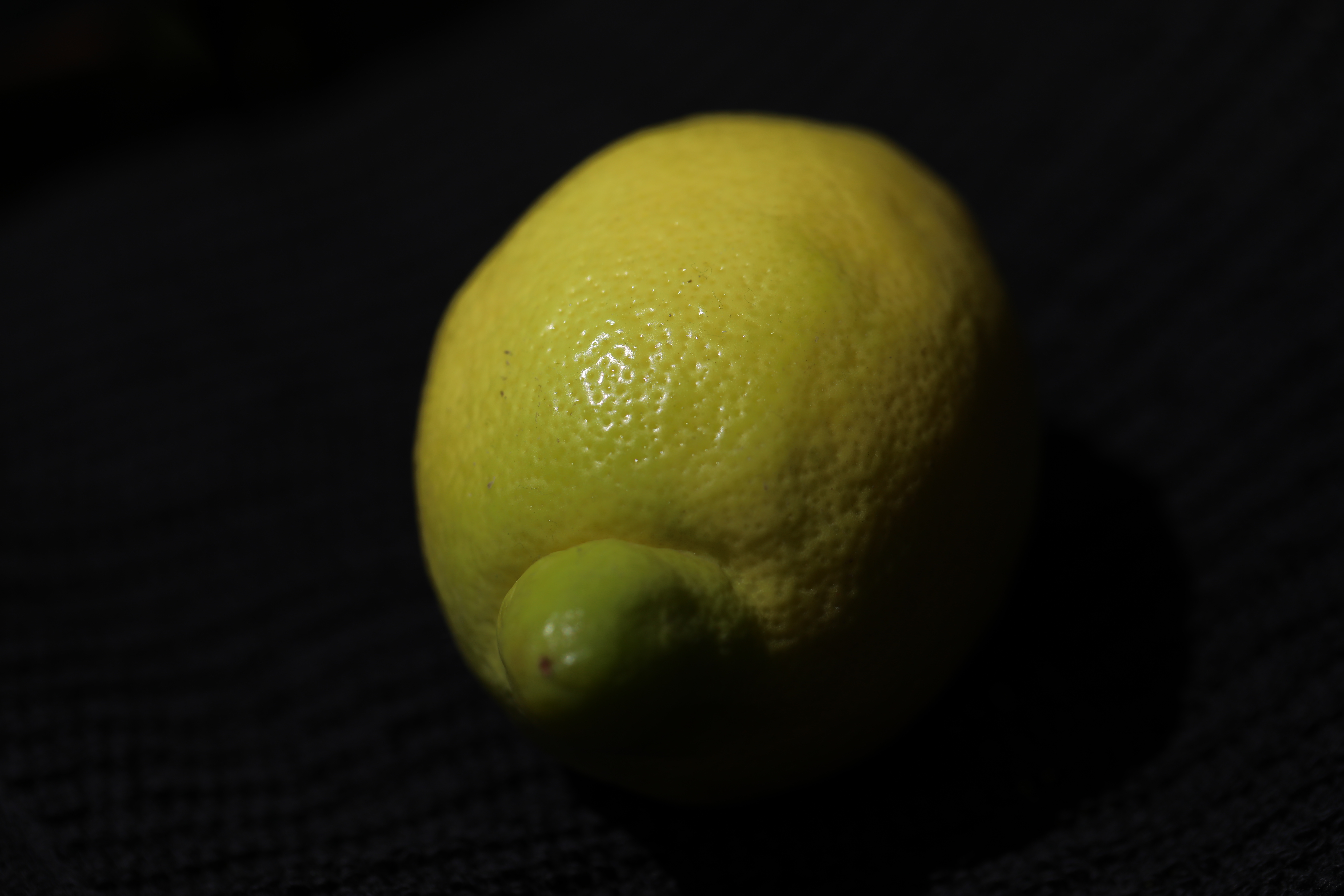
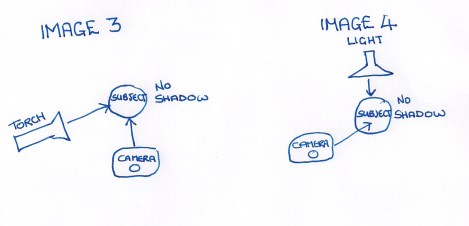
Image 3 ISO400 F/2.8 1/60 for this image I shot indoors with a torch shining on the side of the lemon.
Image 4 ISO200 F/4 1/8000 for this image I had light from above.
I enjoyed doing this exercise, controlling the different light sources, it makes such a difference to the outcome of the subject being photographed. The differences I noticed from the previous exercises was that there were hardly any shadows with the artificial lighting, and you can make the subjects so much softer unlike the daylight images in exercise 4.2.
 Jo's Photo Blog