1000 Words Photography.
Jodi Taylor.
Gawain Barnard.
Keith Arnatt.
Tina Barney.
David Campany – Review – Thomas Ruff: Aesthetic of the Pixel.
Joerg Colberg – Conciencious – Review – JPEGS by Thomas Ruff.
Berger, J. (1972) Ways of Seeing. London: Penguin.
John Bergers book was based on a TV series about the way art is interpreted through the decades, it starts with oil paintings from the 1500 to the 1900, his views on the differences between the sexes is an interesting concept, “Men act and women appear. Men look at women. Women watch themselves being looked at. This determines not only most relations between men and women but also the relation of women to themselves Berger, J. (1972). The surveyor of woman in herself is male: the surveyed is female. Thus she turns herself into an object of vision: a sight” Berger, J. (1972). He sees women as objects to be admired and give pleasure, he sees the man in a totally different view, the man is viewed by what he can do and the power he displays. He continues to distinguish nakedness from nudity, nakedness as just being unclothed to nudity which is painted as a image wanting to be looked at for pleasure. “To be naked is to be oneself. To be nude is to be seen naked by others and yet not recognised for oneself” Berger, J. (1972).
The latter part of the book, from the 1900’s when photographs took the place of oil paintings, he talks about publicity, how we are all surrounded with this visual art medium on a daily basis, without even noticing it, how advertisements target people to make them want material things, so that they will be the envy of their peers, how advertising uses sexuality to depict pleasure and glamour even though in reality this is a fantasy.
One of the very first paragraphs in the book is “When in love, the sight of the beloved has a completeness which no words and no embrace can match: a completeness which only the act of making love can temporarily accommodate” Berger, J. (1972). There is no reason for me to insert this quote from the book, but when I read it I found it so meaningful and beautiful that I wanted to incorporate it.
Cotton, C. (2014). The Photograph as Contemporary Art. London: Thames & Hudson.
Clark, G. (1997). The Photograph. Oxford: Oxford Universities Press.
Badger, B, (2007). The Genius of Photography: How Photography has changed our lives. London: Quadrille Publishing Limited.
Robert Clayton – Estate.
Robert Clayton is a photographer who specialises in portraiture and location photography. He took a series of images called “Estate”, these images were taken in the Midlands in the 1990’s over a period of eight months. This series of pictures really portrays how life was residing in these council estates, the people that lived there were very ordinary, working class people. The high rise buildings were home to so many. I love the way that some images were taken inside the tower blocks, inside the worlds of these people, capturing their real lives as they were living them, in that era. I can almost imagine being part of a family on the estate. The images take you on a tour of the grounds, to the shops, to the playgrounds, to the parking areas, they explore every far reaching corner of the estate.
The tower blocks were eventually marked for demolition, so when the families moved out they were left vacant. The whole estate then became neglected. The windows were smashed and had to be boarded up and graffiti covered the lower walls. I could feel the desolate abandonment when I viewed these latter images. The collection displayed the continuing necessity for social housing, although retaining the warm and wonderful charm of community spirit.
Taylor Wessing Photographic Portrait Prize 2016 – The National Portrait Gallery
The Taylor Wessing Photographic Portrait Prize is one of the most prestigious photography awards in the world, it is open to anyone anywhere in the world and is judged by an anonymous panel of judges. The winning portrait was Katlehong Matsenen, from the series ‘Similar Uniforms: We Refuse to Compare’ , it was taken in Johannesburg, South Africa in 2016 by Claudio Rasano.
The National Portrait Gallery- A Century of Photography 1840-1940
The National Portrait Gallery – Photographing Picasso
The renowned artist Pablo Picasso was one of the first artists to realise that there was a likely overlap between photography and art, although he wasn’t well known for his photography he frequently used this medium as a resource for his paintings, many photographs Picasso had taken were discovered after his death. It is said that a photograph taken of a stay at Horta de Ebro influenced him greatly at the beginning of the Cubism era.
The National Portrait Gallery – Speak its Name!
2017 will be the fiftieth anniversary of the partial decriminalisation of male homosexuality in England and wales. Speak its Name! is a book by Christopher Tinker to mark this. The book contains quotes and personal accounts of people ‘coming out’, with photographic portraits to accompany the written work, several of these portraits were on display at the National Portrait Gallery.
Tony Ray Jones – The English.
Tony Ray Jones (1941-72) returned from New York to Britain in 1965, he took a series of images in and around Britain, documenting the English way of life. I love the way that he has incorporated the typically English pastimes in such a clever way, the holiday camp competitions, ballroom dancing, the races, friends and families sitting on Brighton Beach, and many more, his eye for detail was exceptional, his compositions were superbly executed making all of his images so fascinating to look at, he certainly captured the quirkiness of the English.
Alex Soth – Sleeping by the Mississippi.
Alex Soth (b1969) took a series of road trips up and down the Mississippi, he decided he would photograph the Midwest of America as this was often overlooked. His images sit together perfectly, he has managed to combine portraits, landscapes, interiors and many more styles of photography altogether. Some of his pictures are quite haunting when you understand what he is trying to portray, yet they are beautifully composed. The series makes me feel as if I want to escape, to run away to find a fantasy world, although knowing deep down it doesn’t really exist, then accepting the disappointment as inevitable.
Philip-Lorca diCorcia – “Heads”.
Philip-Lorca diCorcia (b1951) is an American photographer, he was born in Connecticut USA in 1951.
One of his most famous series of images he named “Heads”. He set up a strobe light on scaffolding in a subway in Times Square, then he set up a hidden camera to capture images of people when the strobe light hit them, he took around 3000 images over a 2 year period of unsuspecting passersby. The final images he chose for this series were absolutely stunning, the lighting captured the moment exceptionally well, almost isolating them from the rest of the world around them. The images look so professional that you could easily assume they had been staged, the facial expressions and body language make them look really intriguing, what were they thinking at that precise moment in time. This was a very clever experiment to capture people going about their everyday lives.
Four years after Philip-Lorca diCorcia first exhibited “Heads” one of the subjects learnt of his portrait being used as part of this series, his name was Erno Nussenzweig. He felt this was a violation of his privacy so tried to sue Philip-Lorca diCorcia, and was also displeased that his portrait was being sold for thousands of dollars. Fortunately the court sided with Philip-Lorca diCorcia that an action to recover damages for libel, slander or a violation of privacy must be brought within a year of the first publication, therefore the conclusion was “time barred”.
Is this a violation of privacy? In my opinion these images are almost portraiture, not what I would expect to see as street photography, although they are beautifully executed images. Each individual is so clearly and instantly recognisable that I feel it makes them far more personal. If the camera was obvious and not hidden I think it would have been far more acceptable. What would I have done in this situation? I would have removed the particular image from the series as a kind gesture.
Joel Sternfeld.
Joel Sternfeld (b1944) is an American photographer, he was born in New York in 1944.
He has an extensive portfolio which developed over many years. He explored the run of the mill lives of Americans across the country.
Whilst looking at his work I found you could easily misinterpret what his images were portraying, until you read the accompanying text, then you see it in a totally different perspective. I suspect this is what he was trying to achieve, making you think conversely about what you were seeing.
He named one of his series of images “On This Site”. When I initially looked at these pictures I didn’t realise what they symbolised. Only after reading the accompanying text did I understand that these were sites of human bloodshed and destructiveness. The amplitude of these incidents caused considerable loss of lives. Then when you look again, you feel the intense sadness and poignancy Joel Sternfeld had successfully captured.
After reviewing Joel Sternfelds work, it certainly shows that you can alter peoples views just by adding a caption of text with an image.
Bill Brandt.
Bill Brandt (1904- 83) was born in Hamburg, Germany in 1904. He moved to England in 1933 where he began to photograph and document all levels of British society, this type of work was unheard of in those days, he quickly became a renowned artist and often had his images published in magazines. He went on to photograph landscapes and after the war he took a series of nudes. He used a wide angle lens so that he could distort and enlarge different parts of the body in the forefront whilst leaving the background smaller hence making it look abstract. His subjects were all female, the images he shot were composed almost like abstract paintings, some of the images were so abstract you had to look again to recognise which part of the body he had captured.
I found this series so inspiring and so cleverly composed, to be able to almost disguise parts of the human body whilst photographing them was ingenious.
He had a famous quote which I found particularly inspiring ,“I am not interested in rules or convictions. Photography is not a sport” (Brant B 1904-83).
Seminar with Simeon Quarrie – Canon Ambassador.
Steve McCurry.
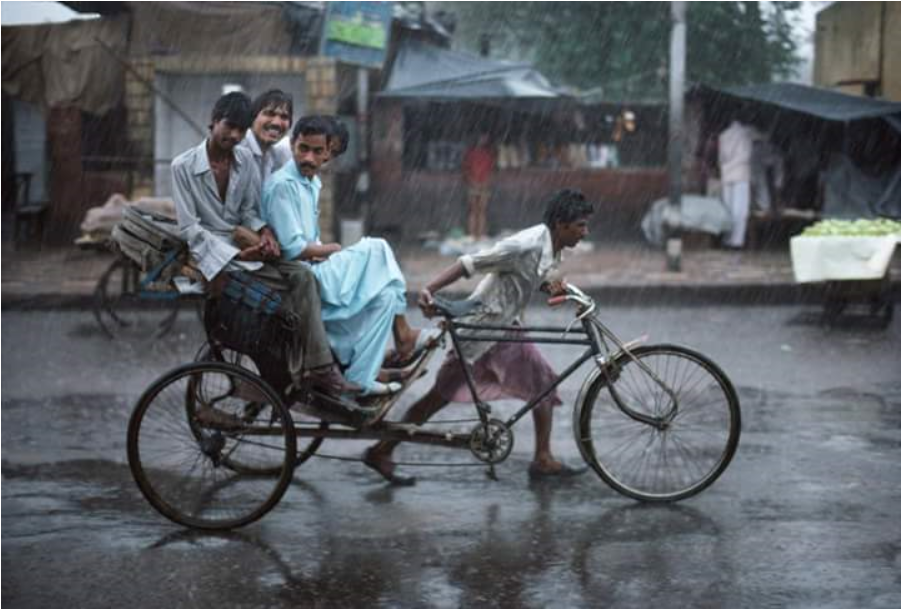
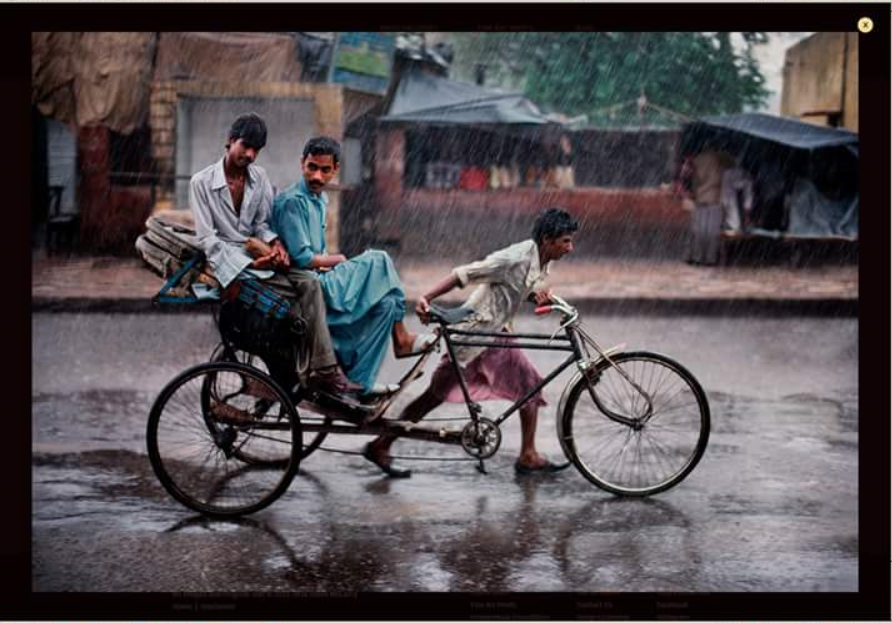
I first heard of the photographer Steve McCurry (b1950) from a friend, I didn’t know his name but I had admired his work without realising who the photographer was. One of his most famous images is the Afghan girl whose iconic picture was on the front of National Geographic in 1985. Her green eyes and haunting stare are captivating. Steve McCurry saw her in a classroom and had to get a photo of her, it was purely a chance encounter. He always remembered this young girl, and on numerous occasions tried to find her without avail, not knowing if she was dead or alive following the carnage and conflict that had ensued in Afghanistan. During his search, many women came forward claiming to be this young girl, but the connection he had with her never left him and he knew that he would recognise her straight away if he found her, he never forgot those piercing eyes. National Geographical organised another search of the girl and finally found her leading to a reunion with Steve McCurry in 2002. All his images are very colourful, I believe that in the post production of his images he makes the colours a lot stronger. In 2016 he was involved in a Photoshop scandal regarding post production manipulation of his images where people have been removed from a composition using this software (PetaPixel 2016). He takes responsibility for these errors but states that “many times the prints are printed and shipped when I am away“(McCurry 1950). He likes to use contrast and tone adjustments and thinks this is acceptable, but doesn’t agree with the removal of large areas. Post production can dramatically enhance the beauty within an image, but altering them to a point where the original photograph is unrecognisable is this photography? In my view Steve McCurry’s images are still beautiful and iconic, he is undoubtedly a brilliant photographer. When he first became a photographer he only used colour slide film until 2005 when he switched to digital for convenience, and so many of his best images were taken prior to this. Post production manipulation has been performed for many years, even in the days of the dark room. So is it acceptable or not acceptable? Is this photography or art? In my opinion photography can also be art, any post production that enhances or alters an image is acceptable, as long as its not photojournalism which I believe should illustrate the truth.
Paul Graham – American Review.
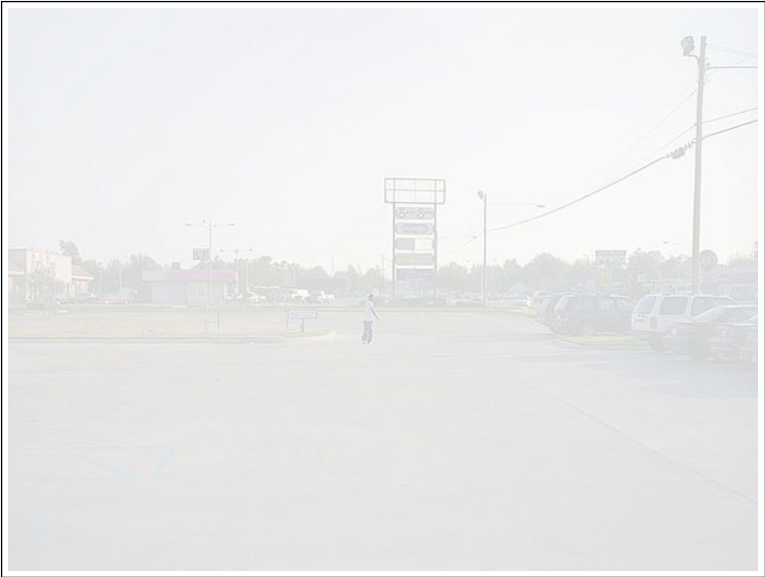
Paul Graham (b1956) photographed a series of images called “American Review”, When I initially started looking at these images for a moment I thought that they hadn’t loaded properly onto the computer, some of the images are extremely overexposed and you have to study them quite intensely to appreciate what the composition consists of, then suddenly you come across a bright and colourful picture of a middle class suburban house. It took a little while for me to understand what he was trying to achieve with this series, but on reflection it paints a powerful story of poverty within a poor neighbourhood, wealth within the wealthy suburbs and the black and white divide. Paul Graham’s over exposed images makes viewing them extremely hard work, it’s as if the colour is the life, fading into insignificance with no redemption. Then you see the vibrant colourful residences of suburbia, bright blue skies, emerald green grass and shiny cars frequenting the driveways. These are so easy to look at and pleasing to the eye, but when you see them following on from the high key images prior to them, it creates a stark contrast which highlights the cruel and unjust society we live in.
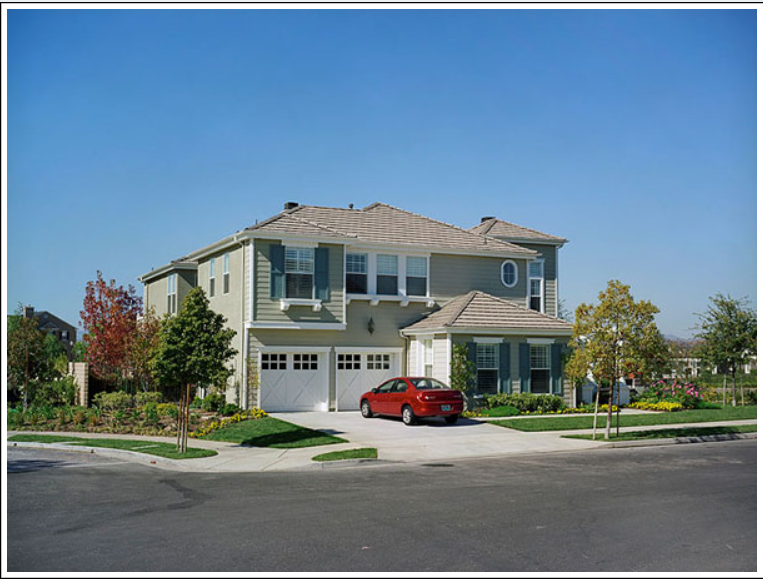
Saul Leiter – Colour Work.
Saul Leiter (1923-2013) was an American photographer, at the age of 23 he moved to New York to follow his passion of painting. While he was there one of his friends was experimenting with photography, he became interested in this medium and started to create his own images. It is clear from his work that he had a very good eye for detail and street photography became one of his strongest genres. He often used a shallow depth of field for many of his images, sometimes he would use mirrors and windows to obscure subjects, and quite often he would create a composition through any small space he could find. He pushed the boundaries of photography in that era and is now renowned as a pioneer of early colour photography.
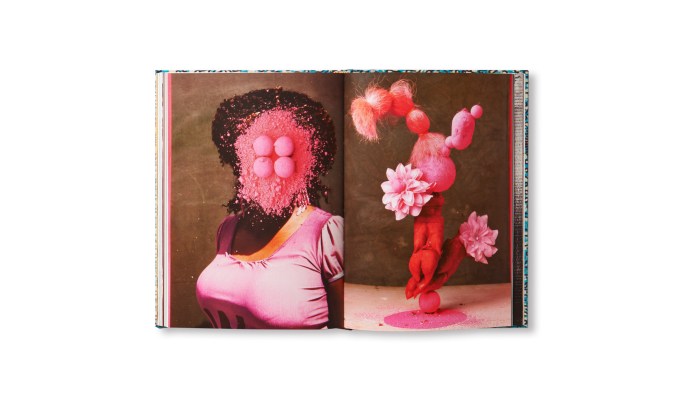
Lorenzo Vitturi – Dalston Anatomy.
Lorenzo Vitturi (b1980) is an Italian photographer, he currently lives and works in London. He produced a series of images which were published as a book, he named it Dalston Anatomy. There is a multicultural market in Dalston, it’s called Ridley Road Market, Lorenzo Vitturi wanted to illustrate and document this vibrant and colourful display. He began accumulating anything that was discarded from the market, this ranged from fruit and vegetables to animal pieces. He would leave them to rot and then construct amazing sculptures, he would use chalk dust and pigment powder for colour, then using skewers and wire he created an almost abstract rising concoction of these oddments. He would then photograph them with carefully chosen backgrounds before they fell apart. He took photographs of some of the stall holders too, and then disguised them in colours to compliment his sculptures. These images bring the vibrancy of the market to life, the bright colours display a pleasurable diversity of cultures and nationalities all fitting together as one community.
 Mario Testino.
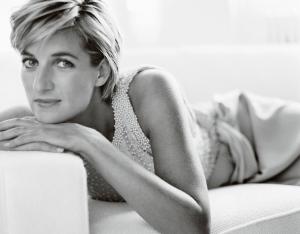
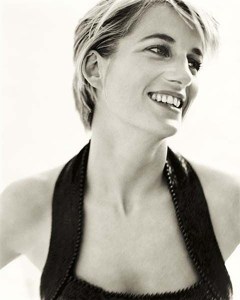
Mario Testino (b1954) was born in Lima in Peru. He is a photographer who is renowned for his work in fashion and portraiture. His images have been on the cover of Vogue and other high end magazines on numerous occasions. He is regularly commissioned by designer labels to create adverts and the images he produces capture the moment perfectly. The male and female super models he photographs are always exceptionally stunning to look at, and Mario Testino continues to achieve that romantic, sexual and sultry appeal to his images. He has repeatedly photographed many royals, one of his most famous sessions was with Princess Diana of Wales, this was commissioned by Vanity Fair in 1997, these images are recognised worldwide.
John Stezaker.
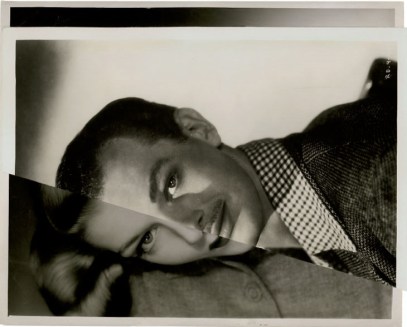
John Stezaker (b1949) is an English photographer, he often used images he found in books, magazines and postcards for creations of juxtaposition collages. He created a series of images called ‘Marriage’, for this series he used portraits which had been used for publicity purposes, of film stars, and then spliced them together creating a surreal but beautifully elegant set of images. He managed to fit the images so well together it could almost have been a portrait of one person. Most of the stars he used for these images are really well known, and initially I thought the images were of real married couples but soon realised otherwise. So what is he trying to say with this series of images? A lot of questions come to mind, is he showing how compatible men and women can be together? Is he trying to show every human being has their own identity and individualism? Or on the other hand does marriage ever fulfil the ideology of the concept or are there too many differences between men and women?
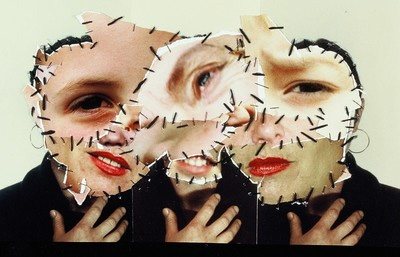
Annegret Soltau.
Annegret Soltau (b1942) is a German artist. Between 1977 and 1986 she created a series of images called ‘Motherhood’. All these images were originally taken of herself and her children, then the faces were dissected and new images were created by stitching different facial features together. These pictures appear unsightly in a surreal way.
 Mary Ellen Mark.
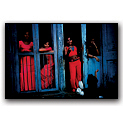
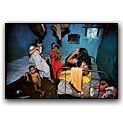
Mary Ellen Mark (1940-2015) was an American photographer. In the 1970’s she took a series of images she called ‘Falkland Road’, she turned them into a book in 1981. All the images were taken in Falkland Road, which was in Bombay, India. This area was well known for prostitution and brothels. Although the images have a lot of colour in them, the dark dirty background of the rooms makes them look obscene and squalid. Some of the girls look very young but seem almost happy with their career choice. There were babies in the images too, all eventually knowing no difference than this sordid environment. I don’t think the context of these images could be seen in any other way than what they are. I wonder if this area is the same today, nudity and porn can be accessed all over the world at any time, with the internet, and mobile phones.
Migrant Prostitution Issue Evidence.
The figures of child trafficking is increasing every year, the numbers reported as having been sexually exploited has risen too. This was reported in The Independent on the 3rd April 2017.
Andrew Biraj.
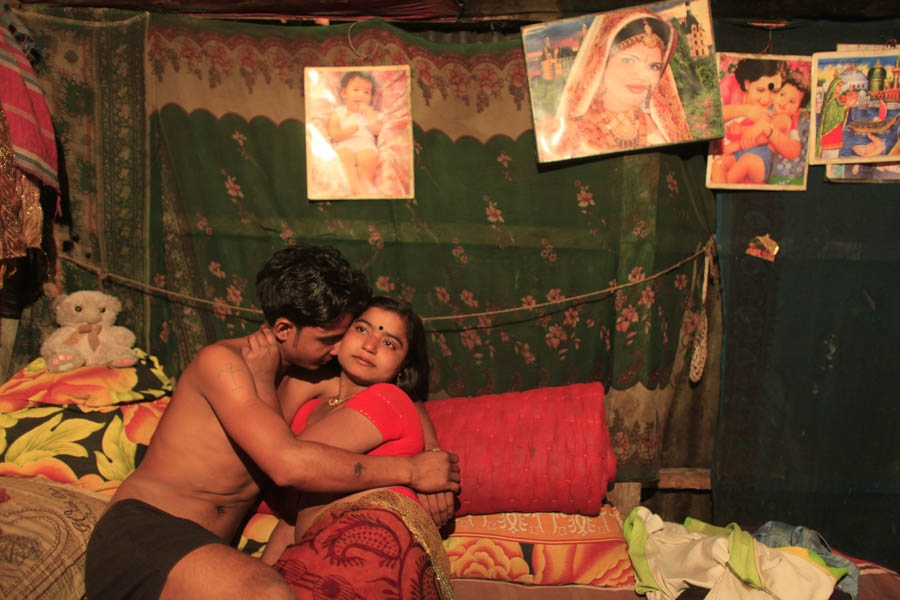
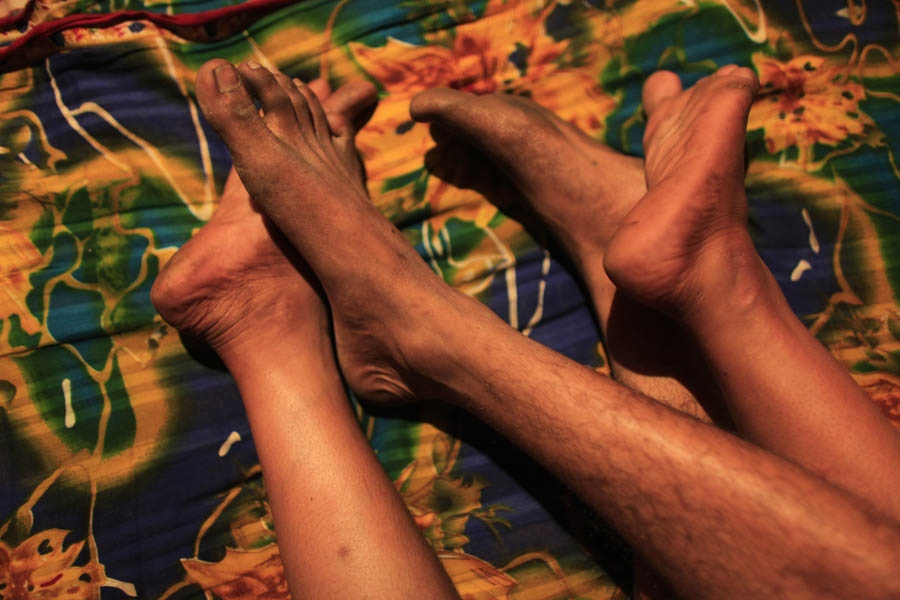
Andrew Biraj (b1982) is a photojournalist based in Washington, USA. He created a series of images about prostitutes in Bangladesh, he called this series ‘Silent Tears’. The images he produced and the accompanying text fill you with sadness, the exploitation these young girls are enduring is abhorrent. When you look at these images without the text you could get the wrong impression of what they are about, you could be mistaken by thinking that the images are of courting couples.
Migration – Social Concerns.
Migration has become a politically sensitive subject in the UK in recent years. Since joining the EU, the introduction of free trade and free movement and the addition of countries from Eastern Europe, the UK has been inundated with migrants looking for an enhanced standard of living. These are called economical migrants. Then there are migrants who have arrived in the UK secretly or have been smuggled in by traffickers, these migrants are often fleeing from war or persecution. I believe there is a vast difference between how the two situations should be perceived.
Giles Duley – Interview in Amateur Photographer 29th July 2017 by Geoff Harris.
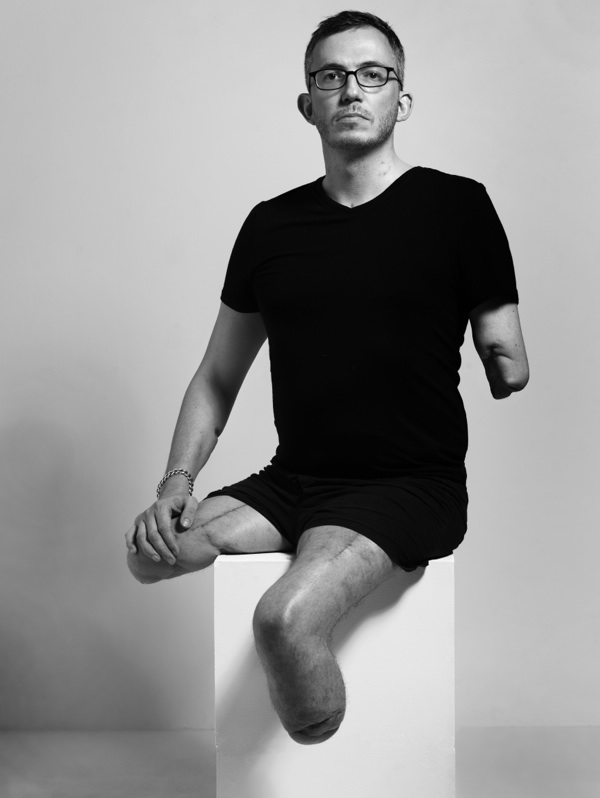
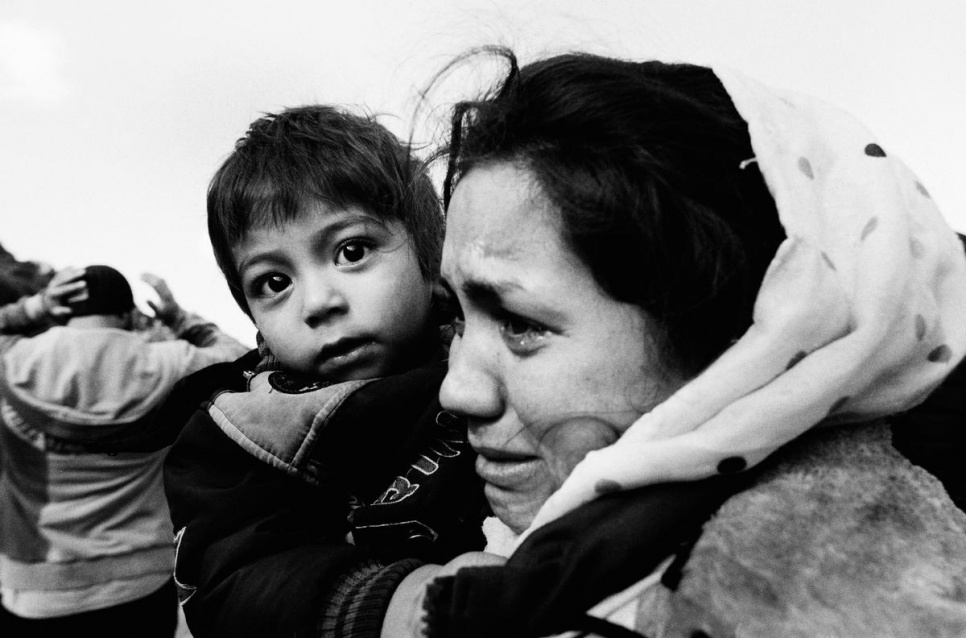
Giles Duley (b1971) is a documentary photographer, he is best known for his humanitarian issues. In 2011 whilst working in Afghanistan, he accidently stepped on a improvised explosive device (IED), he lost both his legs and his right arm, he was not expected to survive, miraculously he pulled through, putting his determination down to his photography. He was adamant that he would carry on with the work that he loved, so he adapted his equipment so he could use it one handed. In 2015 he was commissioned by the UN Refugee Agency (UNCHR) to document the refugee crisis in Europe and the Middle East. All his images from this assignment have been made into a book titled ‘I can only tell you what my eyes see’. Giles Duley spent some of his time on the Greek island of Lesbos, it was there that the ‘overwhelming and the emotion overcame him’. He related to these people realising that ‘the simple fact is these people like you and me found themselves in desperate situations’. He stated that ‘they are not refugees, they are car mechanics, lawyers, parents and so on. As soon as you see them in a refugee camp, that is how you think about them’. His images are all black and white, they capture the devastation and despair of the lives of these people.
 Jo's Photo Blog